
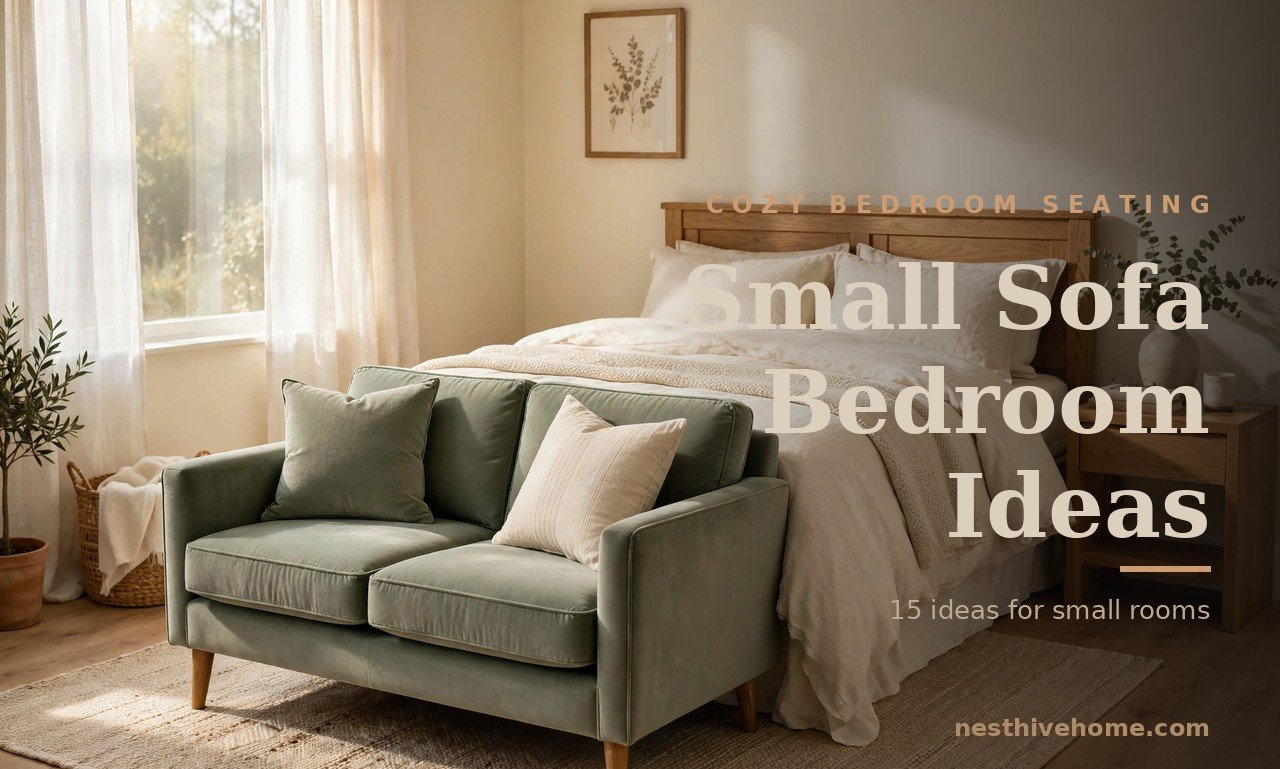
small sofa for bedroom ideas can turn an unused corner into the most-loved spot in your home. A bed is for sleeping, but a bedroom also needs somewhere to sit: to read a few pages before lights out, to pull on shoes in the morning, or simply to pause with a cup of tea. The trick is choosing a seat that fits the room rather than fighting it. Get the size, shape and placement right, and even a modest bedroom gains a relaxed, hotel-like feel. Get them wrong, and the room feels cramped no matter how pretty the sofa is.
This guide walks you through the whole decision, from measuring your room to styling the finished corner. You will learn which sofa styles suit bedrooms best, where to place each one, which fabrics survive daily use, and which common mistakes to avoid.
Start With Size: Measure Before You Fall in Love
Every good small sofa for bedroom ideas list starts with a tape measure, not a shopping page. Sofas in small sofa for bedroom ideas look smaller in a large store than they do at home, and a difference of just 10 centimetres can be the difference between a clear walkway and a daily shin-bruise. Measure the wall where the sofa will sit, the depth of the space in front of it, and the width of every doorway and staircase it must travel through on delivery day. That discipline is what makes small sofa for bedroom ideas work in real rooms, not just in photographs.
Width, Depth and Height Rules That Work
For most bedrooms, a small sofa for bedroom ideas measures between 120 and 170 centimetres wide. A loveseat of around 140 centimetres seats two people comfortably without dominating a standard bedroom wall. Depth matters just as much: aim for 80 to 90 centimetres deep, so the seat feels generous but leaves floor space in front. A back height under 85 centimetres keeps the piece low and light-looking, which matters in a room where the bed already provides the main visual bulk.
Leave Room to Walk Around It
Plan for at least 60 centimetres of clear walkway around the sofa, and 75 centimetres where you pass every day, such as between the sofa and the bed. If the sofa sits at the foot of the bed, leave enough room to walk around the bed’s end without sidestepping. Mark the footprint on the floor with masking tape before you buy. Living with the taped outline for a day or two quickly reveals whether the size feels right or whether you should drop down a size.
Check Doors, Stairs and Delivery Routes
Many beautiful small sofa for bedroom ideas fail at the front door. Measure the narrowest point of the delivery route, including door frames, hallway turns and stairwell ceilings. Sofas with removable legs, or models that arrive in two sections, are far easier to manoeuvre upstairs. If access is tight, an armless style or a sofa that ships flat-packed may be the sensible choice, even if a grander model caught your eye first.

Best Small Sofa for Bedroom Ideas by Style
Not every compact sofa behaves the same way in a bedroom. Some are made for lounging, some for perching, and some for doubling as a guest bed. Matching the style to how you will actually use the seat is what separates a piece you love from one that gathers laundry.
The Classic Loveseat
The loveseat is the workhorse of small sofa for bedroom ideas. At roughly 130 to 160 centimetres wide, it seats two people side by side and suits the foot of a double bed or a long empty wall. Look for slim arms and raised legs: both details make the piece read lighter in a small room. A loveseat in a washable fabric is a practical pick if the seat will be used every day.
The Elegant Settee
A settee is a narrower, more upright cousin of the loveseat, often with a shaped back and wooden legs. It suits traditional and vintage-style bedrooms beautifully and works well in a dressing area, where it doubles as a place to sit while getting ready. Because settees tend to be shallower than loveseats, they are a smart choice when floor space is genuinely tight.
The Slipper Chair Sofa
An armless slipper-style seat is the smallest option that still counts as a sofa. Without arms, it tucks neatly into a corner or under a window and can be pulled out when needed. It is ideal for a single reader, a dressing corner, or a child’s bedroom. The trade-off is support: without arms, it is less comfortable for long lounging sessions, so pair it with a good cushion.
The Petite Chaise Lounge
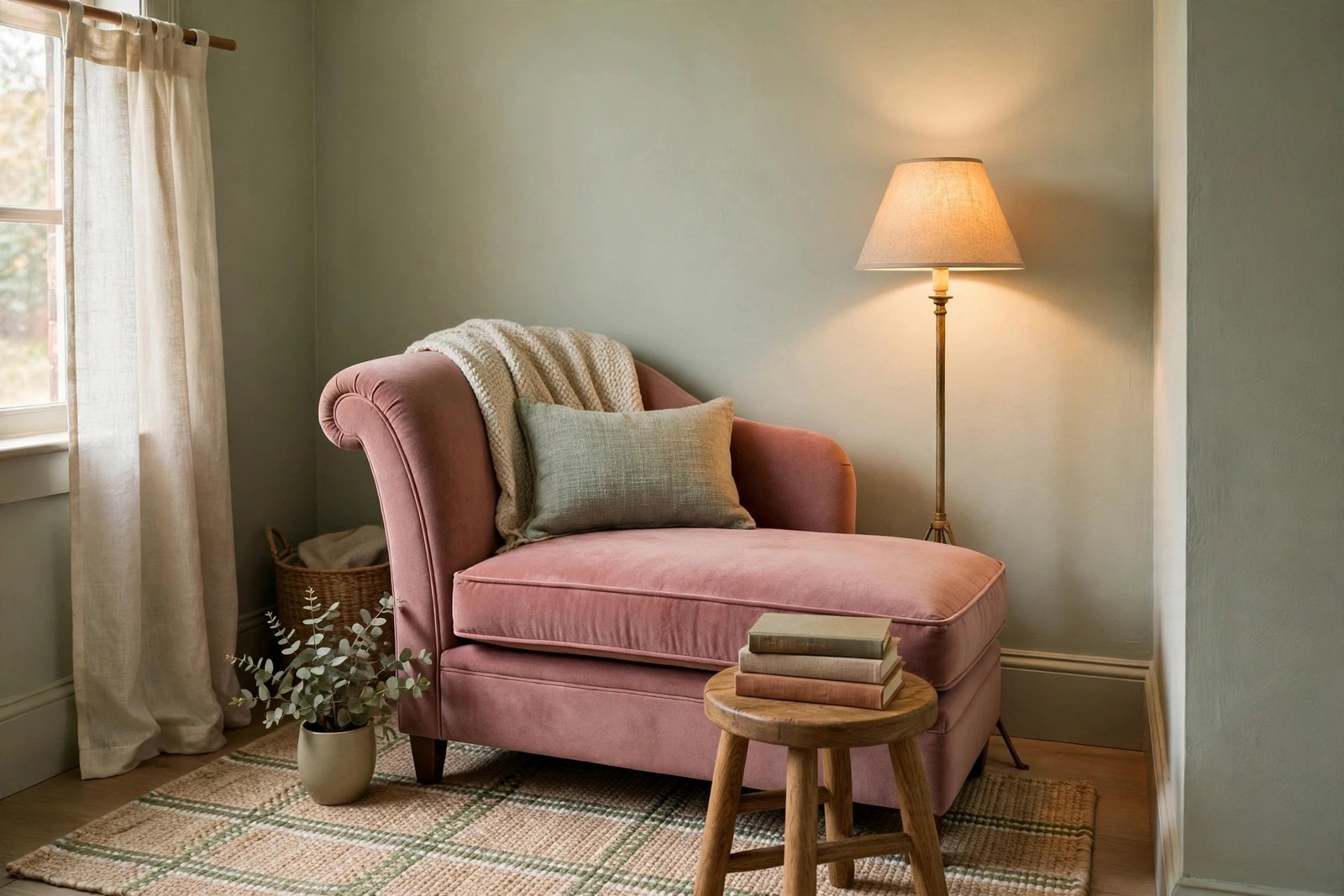
A chaise gives you somewhere to stretch out fully, which a loveseat cannot. In a bedroom, a petite chaise works along a window wall or in a wide alcove, creating a reading nook that feels deliberately luxurious. Measure carefully, though: a chaise needs both length and clear space at its open end, so it suits bedrooms with one generous wall better than narrow box rooms.
The Sleeper Loveseat for Guests
If your bedroom sometimes hosts an overnight guest, a sleeper loveseat earns its footprint twice over. Modern mechanisms are far lighter than the old pull-out beds, and many fold out into a proper small double. A sleeper that blocks the wardrobe door when open is a poor bargain.
Where to Put It: Layouts That Actually Work
Placement decides whether a small sofa for bedroom ideas feels like part of the bedroom or like furniture that wandered in from another room. The best spot depends on your room’s shape, but a few layouts work again and again.
At the Foot of the Bed
Placing a loveseat at the foot of the bed is the classic hotel look, and it works when the bed is not pushed against the wall. Choose a sofa slightly narrower than the bed so the arrangement looks balanced, and keep its back low so it does not block the view of the bed’s headboard. This layout also creates a natural dressing zone: somewhere to sit, lay out tomorrow’s clothes, or stack the cushions at night.
In a Window Corner
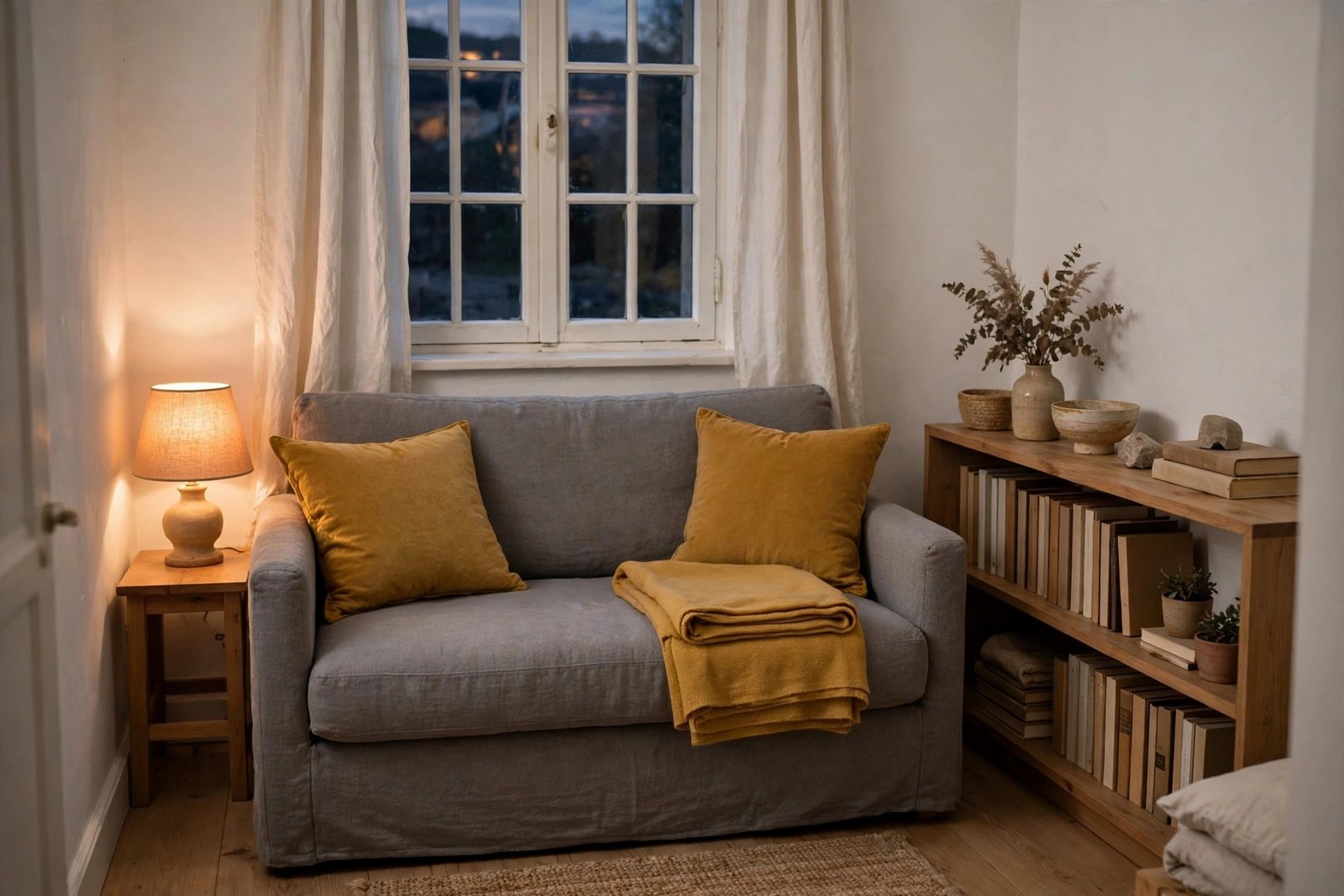
A corner by the window makes a wonderful reading nook, especially with a small sofa for bedroom ideas angled to catch the daylight. Add a floor lamp for evenings and a small side table for a book and a drink, and the corner becomes a destination rather than dead space. Keep the sofa’s back below the windowsill if possible, so natural light still flows into the room.
Against an Empty Wall
Many bedrooms have one underused wall — beside the wardrobe, opposite the bed, or in an alcove. A small sofa for bedroom ideas here creates a mini sitting area without disturbing the sleeping zone. Anchor it with a small rug and a piece of art above, and the wall stops looking like leftover space. This is often the best of all small sofa for bedroom ideas for rooms where the foot of the bed is too tight.
Styling a Small Sofa So It Looks Intentional
A small sofa for bedroom ideas can look like an afterthought if it floats in the room with nothing connecting it to the rest of the decor. A few styling moves tie it in and make the whole bedroom feel more considered.
Cushions and a Throw, Not a Cushion Mountain
Two or three cushions are plenty on a small sofa. Pick one pattern, one texture and one plain colour drawn from your bedding, so the sofa echoes the bed without matching it exactly. A folded throw over one arm adds softness and warmth, and it is genuinely useful on cold mornings.
Anchor It With a Rug
A rug under the sofa’s front legs visually grounds the seating area and separates it from the sleeping zone. The rug does not need to be large — it should extend just beyond the sofa’s front edge and the side table.
Add a Side Table and a Lamp
Every seat needs a surface within arm’s reach. A slim side table, a wall-mounted shelf, or even a sturdy stool gives you somewhere for a book, a phone and a glass of water. A small table lamp or a floor lamp behind the sofa makes the corner usable after dark and adds a warm pool of light that flatters the whole room. For more inspiration on making the whole room feel warm and inviting, see our guide on how to create a cozy bedroom, which covers lighting, layering and colour in detail.
Fabrics and Colours That Suit Bedrooms
Bedroom seating gets different wear from living-room seating: less food and drink, but plenty of bare legs, pets and daily use. Choose a fabric that feels good against skin and survives regular sitting. That is why small sofa for bedroom ideas favour washable, skin-friendly fabrics over delicate showpieces.
Best Fabrics for Everyday Comfort
Velvet looks luxurious and wears well in a bedroom, where it escapes the heavy traffic of a family living room. Bouclé adds texture and warmth and hides minor marks. Linen blends feel cool and relaxed but crease easily, so they suit a calm, adult bedroom better than a busy family room. Whatever you choose, look for removable, washable covers — they extend the life of a small sofa enormously. For a deeper look at dimensions and frame types before you buy, this loveseat and small 2-seater sofa buying guide explains the measurements that matter most in compact rooms.
Colours That Keep the Room Calm
Bedrooms reward calm colour. Soft sage, warm beige, dusty rose, muted grey and cream all keep a small sofa for bedroom ideas from shouting for attention, and they pair easily with changing bedding. If you love bold colour, put it in the cushions rather than the sofa itself: cushions are cheap to swap when your taste changes, while reupholstering a sofa is not. A darker sofa can ground a pale room nicely, but in a very small bedroom a light or mid-tone usually keeps the space feeling open.
Small Bedroom Sofa Mistakes to Avoid
Most bedroom sofa regrets come from a handful of avoidable errors. Knowing them in advance saves both money and the hassle of returning a large piece of furniture.
Buying Too Big for the Room
The most common mistake in small sofa for bedroom ideas is falling for a small sofa for bedroom ideas that is really a small three-seater in disguise. Wide, deep arms can add 30 centimetres to a sofa’s width without adding a single centimetre of sitting space. Compare seat width, not overall width, when you shop, and be honest about how much floor you truly have.
Blocking Light, Doors or Storage
A small sofa for bedroom ideas that covers a radiator, blocks a wardrobe door, or sits in front of the only window makes daily life harder, however good it looks. Walk your normal routes — bed to wardrobe, door to window — with the taped footprint in place, and check that drawers and doors still open fully. Comfort in a bedroom is about movement as much as sitting.
Choosing Style Over Sitting Comfort
A small sofa for bedroom ideas that looks perfect in a photograph but feels hard or shallow will end up unused. Sit on any sofa for at least ten minutes before buying, in the position you will actually use: curled up with a book, not perched politely on the edge. Check the seat height too — your feet should rest flat on the floor, and the seat should not be so deep that shorter legs dangle.
Budget, Shopping and Care Tips
A bedroom sofa does not need to cost a fortune, but the cheapest option is rarely the best value. A well-made frame lasts through several recoveries, while a weak frame sags within a year.
What to Spend On
Prioritise the frame and the cushions. A hardwood or solid engineered frame, decent foam density, and removable covers matter far more than a designer label. Mid-range sofas often offer the best balance: solid construction without the showroom markup. If your budget is tight, consider a good-quality second-hand loveseat and spend the saving on professional cleaning or new covers.
Keeping It Looking Good
Vacuum the sofa weekly with an upholstery attachment, rotate and plump the cushions regularly, and keep it out of direct sunlight where possible, since sun fades fabric unevenly. With basic care, a well-chosen small sofa for bedroom ideas will look inviting for years, and your bedroom will keep that calm, finished feeling that made you want one in the first place.
Good small sofa for bedroom ideas are ultimately about balance: a seat that fits the room, suits your daily habits, and looks like it belongs there. Measure honestly, choose a style that matches how you will use it, style it lightly, and you will wonder how the bedroom ever managed without it.