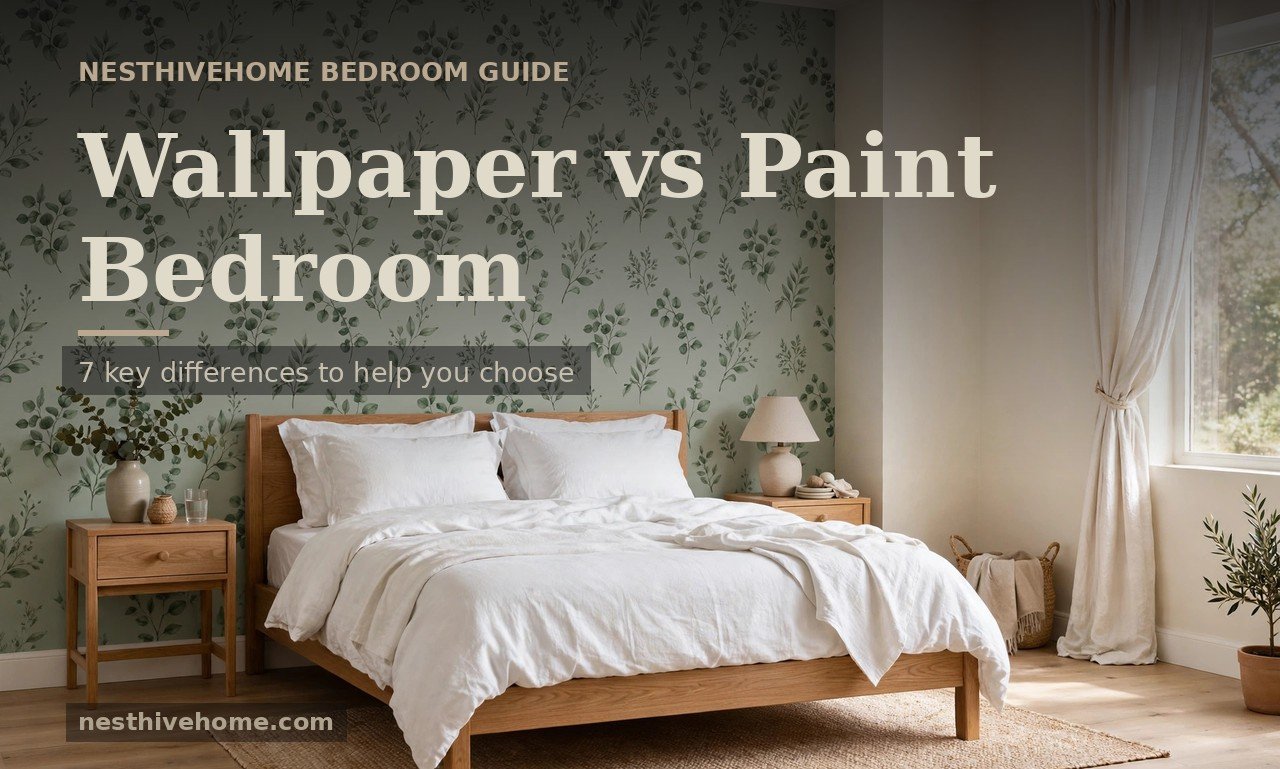
Wallpaper vs paint bedroom choices can change how a room feels more than almost any other single decision. The walls are the largest surface in the room, so the finish you pick sets the mood every morning and every night. Some bedrooms need the soft pattern and texture that only wallpaper can give, while others are better served by the clean, calm surface of paint. Neither option is right for every home, and the honest answer depends on your budget, your walls, how long you plan to keep the look, and how much change you enjoy.
This guide compares the two finishes side by side, honestly. You will find real costs, how long each finish lasts, what application involves, how easy removal is, and which finish suits different bedrooms. By the end of this wallpaper vs paint bedroom comparison, you should be able to make the choice with confidence, rather than guessing in the paint aisle.
Wallpaper vs Paint Bedroom: The Quick Comparison
If you are short on time, this table sums up the head-to-head result. The sections below explain each row, because the right answer for a small rented bedroom differs from the right answer for a forever home.
| Factor | Wallpaper | Paint |
|---|---|---|
| Upfront cost | £250–£700 / $300–$900 | £80–£250 / $100–$300 |
| Lifespan | 10–15 years | 5–10 years |
| Pattern and texture | Rich, layered | Colour only |
| Application difficulty | Skilled, slow | Beginner friendly |
| Removal | Slow, sometimes messy | Repaint over it |
| Repairs | Hard to patch invisibly | Easy touch-ups |
| Best for | Feature walls | Whole room |
The pattern is clear: wallpaper wins on character and longevity, while paint wins on cost, flexibility, and ease. The rest of this wallpaper vs paint bedroom guide helps you weigh those strengths against your own room.
1. Cost: What a Bedroom Really Costs to Finish
Cost is usually the first question in any wallpaper vs paint bedroom decision, and it is also where the two finishes differ most. For a standard 12 x 12 ft bedroom, expect roughly £80–£250 ($100–$300) on paint and supplies if you do the work yourself. That covers paint, primer, rollers, brushes, tape, and dust sheets. Hiring a painter adds roughly £300–£600 ($400–$800) for labour.
Wallpaper costs more from the start. Budget papers start around £15–£25 ($20–$35) per roll, designer papers can reach £80–£150 ($100–$200), and a bedroom usually needs 8–12 rolls once pattern matching and waste are counted. Add paste and tools, and materials alone often reach £200–£500 ($250–$650). Professional hanging adds £250–£500 ($300–$600).
Cost per year changes the picture
The upfront gap narrows when you look at cost per year. Good wallpaper can last 10–15 years without fading, while paint usually needs refreshing after 5–10 years in a bedroom. Over 15 years, you might paint twice and wallpaper once, so the lifetime costs end up closer than the first quote suggests. That only helps if you love the paper enough to live with it for a decade; redecorate every few years and paint is far cheaper. One practical tip for a wallpaper vs paint bedroom budget: wallpaper one feature wall instead of the whole room. You get the pattern where it matters most, behind the bed, for roughly a third of the full-room cost, and the remaining walls can be painted in a colour pulled from the paper.
2. Durability: Which Finish Lasts Longer in a Bedroom?
Bedrooms are gentle on walls: no cooking steam and little direct contact, so both finishes last well here. Even so, wallpaper usually outlasts paint: a well-hung vinyl or non-woven paper keeps its colour and pattern for 10–15 years, while paint slowly dulls and marks around light switches and door frames. In a wallpaper vs paint bedroom durability comparison, the paper’s coated surface resists scuffs better, while paint depends heavily on the finish you choose. That durability gap is one reason the wallpaper vs paint bedroom question keeps coming up for forever homes. Matt emulsion marks easily; eggshell and satin wipe clean, and washable matt is a good middle ground.
Sunlight fades strong paint colours and cheaper papers alike, so pay for quality pigments on a sunny wall. Moisture is a smaller concern in bedrooms than in bathrooms, but a damp wall will lift wallpaper and blister paint alike, so fix damp first. For households with children or pets, paint has a practical edge: a scuff can be touched up in ten minutes, while torn wallpaper often needs a whole strip replaced, and a new strip from a different batch may not match. Keep a spare roll from the same batch if you wallpaper.
3. Finish and Style: Pattern, Texture, and Mood
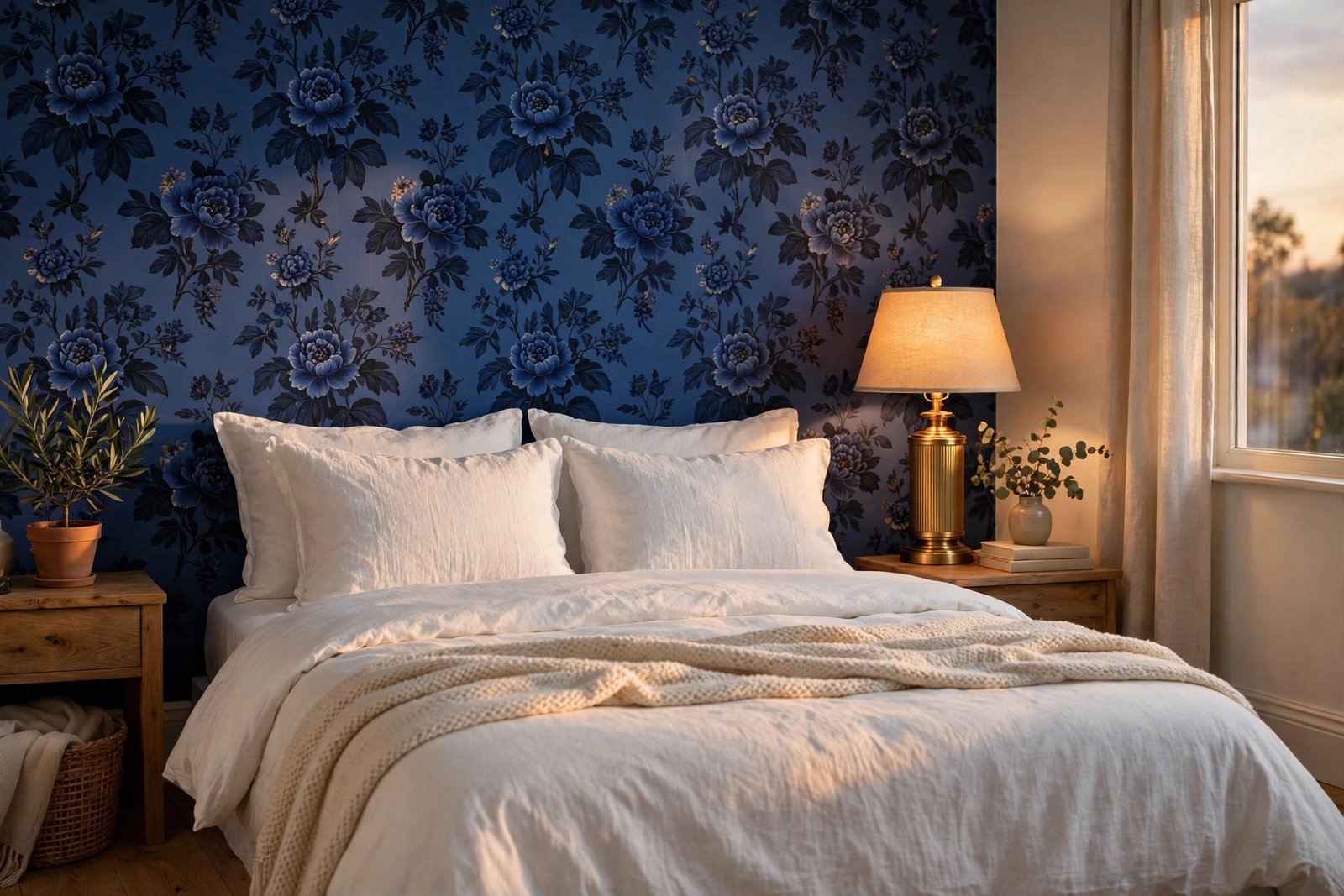
This is where the wallpaper vs paint bedroom debate becomes a question of style rather than practicality. Wallpaper offers something paint simply cannot: pattern, texture, and depth in a single step. A botanical print, a subtle grasscloth, or a geometric design can make a plain bedroom feel designed, even with simple furniture. The pattern draws the eye and gives the room a personality plain colour struggles to match.
Paint offers a different kind of beauty. A well-chosen colour gives a calm, clean backdrop that lets bedding, art, curtains, and lighting do the talking. Soft sage, warm white, dusty blue, and muted terracotta all create restful bedrooms, and paint makes it easy to change the mood later with new textiles. If you love swapping cushions and throws with the seasons, a painted room is far easier to restyle. That flexibility is a strong point for paint in the wallpaper vs paint bedroom style debate.
How each finish changes the feel of the room
Dark, bold wallpaper can make a large bedroom feel cosy and cocooning. In a small bedroom the same paper can feel overwhelming on all four walls, so designers often limit strong patterns to one feature wall. Paint gives you finer control: a deep colour on one wall and pale colours elsewhere creates depth without closing the room in. If you want the room to feel larger, paint can make a room look bigger when you choose light, reflective colours and keep the ceiling bright, a trick that is harder to achieve with a busy pattern. Texture is wallpaper’s quiet advantage too: even a plain linen-effect paper adds warmth that flat paint cannot copy.
4. Application: DIY or Hire a Professional?
Paint is the friendlier DIY project in the wallpaper vs paint bedroom contest. Most people can paint a bedroom over a weekend with basic tools and a little patience. Preparation still matters: fill holes, sand rough patches, and prime bare plaster or bold old colours. Two coats, dried properly between coats, give a professional-looking result, and mistakes are forgiving: a bad patch can be sanded and repainted the same day.
Wallpaper demands more skill and more patience. Each strip must be measured, cut, pasted, and hung straight, with the pattern matched at every join, and corners, windows, and sockets need careful trimming. A small error in the first strip shows in every strip after it. Peel-and-stick papers suit beginners and rented homes, but traditional pasted papers are best left to a professional if you want invisible seams. A painted bedroom is usable again within a day or two; a wallpapered room takes longer, with the paper needing time to dry. For most first-timers, the wallpaper vs paint bedroom application gap alone settles the choice. A single feature wall, though, is a realistic weekend project even for a careful beginner, especially with paste-the-wall non-woven paper.
5. Removal and Future Changes
How easy a finish is to remove matters more than most people expect, because tastes change. In the wallpaper vs paint bedroom removal test, paint is the clear winner: when you want a new colour, you clean the wall, fill any marks, and paint over the old colour. Two coats usually cover even a strong colour, and the room can be transformed in a weekend.
Wallpaper removal is slower and messier. Strippable and peel-and-stick papers come away cleanly, but traditional pasted papers need steaming or soaking, scraping, and cleaning off old paste. The job can take a full day, and the wall underneath sometimes needs repair. That reversibility matters in any wallpaper vs paint bedroom decision for renters, who should almost always choose paint or a removable peel-and-stick paper. For sellers, a freshly painted bedroom in a soft neutral colour photographs better and appeals to more buyers than a bold personal wallpaper choice, which some buyers will mentally price as a removal job. If you plan to sell within a year or two, paint is the safer investment.
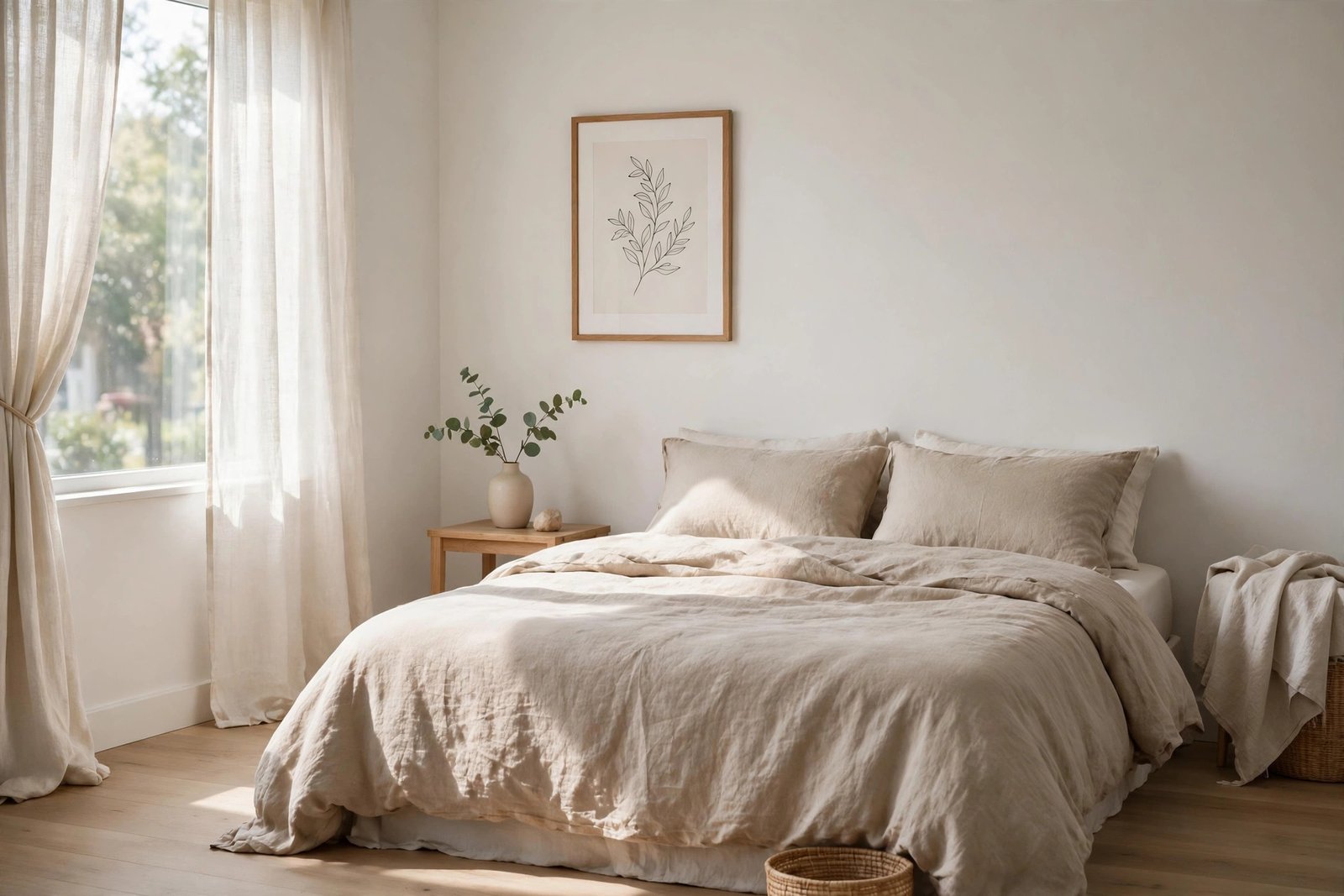
6. Maintenance and Cleaning
Day-to-day care is simple for both finishes in a bedroom, but the details differ. Most modern paints can be wiped gently with a damp cloth, and washable emulsions handle the occasional mark without losing their finish. Small chips are easy to touch up, and leftover paint keeps a bedroom fresh for years. Wallpaper care depends on the type: vinyl and washable papers wipe clean with a damp sponge, but delicate papers should only be dusted, and a torn corner is hard to fix invisibly. For allergy-sensitive households, paint has a small advantage, because smooth painted walls trap less dust than textured papers. That easy upkeep is a quiet win for paint in the wallpaper vs paint bedroom maintenance comparison.
7. Which Finish Suits Which Bedroom?
There is no single winner in the wallpaper vs paint bedroom question, because bedrooms differ. The right finish depends on who sleeps there, how long the look needs to last, and what the room needs most.
The main bedroom
A main bedroom is where wallpaper often earns its place. You spend every night there, the room is usually large enough to carry pattern, and the finish can stay for a decade. A feature wall behind the bed, in a pattern you truly love, creates a backdrop paint alone rarely matches. Pair it with painted side walls in a colour drawn from the paper.
Guest bedrooms and children’s rooms
Guest bedrooms suit either finish, but paint is often the practical choice because guest rooms change purpose more often. Children’s bedrooms strongly favour paint: tastes change fast, walls take more knocks, and a fresh colour every few years is far easier than re-papering. If a child loves pattern, use bedding, curtains, or a removable peel-and-stick strip.
Small bedrooms and awkward rooms
Small bedrooms need careful judgement in a wallpaper vs paint bedroom plan. A light paint colour keeps the room feeling open, while a bold wallpaper on all four walls can close it in. The compromise that works in most small rooms is one wallpapered feature wall, or a subtle pale pattern, with the rest painted light. Rooms with sloped ceilings, alcoves, or many corners also favour paint, because wallpaper pattern matching becomes difficult and wasteful around awkward shapes. For rented homes, paint or peel-and-stick paper are the only sensible options, and paint is usually cheaper and easier to reverse.
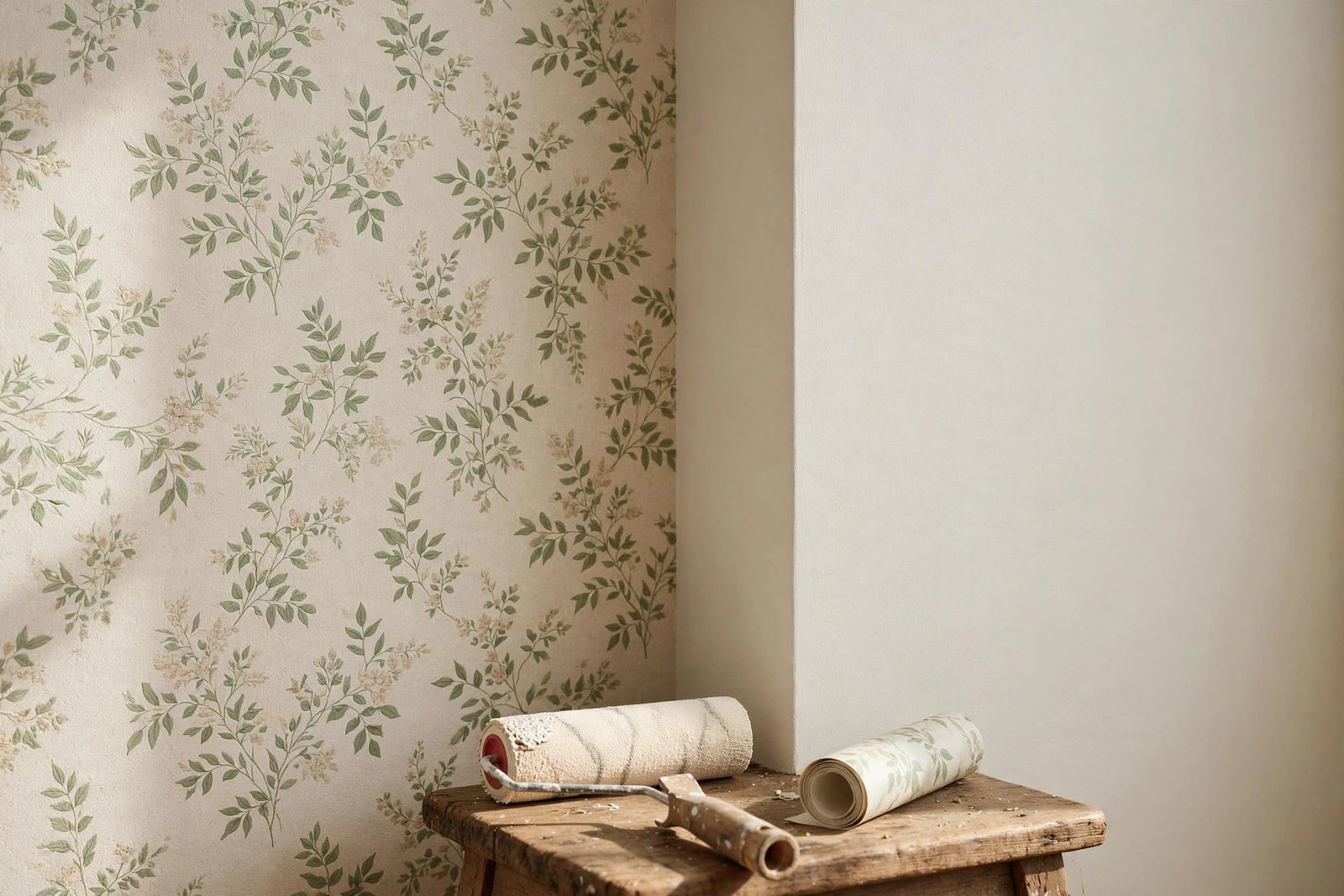
Wallpaper vs Paint Bedroom: The Verdict
So, which one should you choose? Choose wallpaper if you want pattern, texture, and a distinctive look that lasts for years, and you can live with the same design for a decade. Choose paint if you want flexibility, a lower cost, an easier DIY project, and the freedom to change colour whenever the mood takes you. Many of the best bedrooms use both: a wallpapered feature wall behind the bed, with painted walls elsewhere. If you are still unsure, try a sample first. Order a large wallpaper sample and a paint tester pot, live with both on the wall for a week, and notice which one you keep glancing at in morning and evening light. The finish you keep returning to is the right one.
How to Decide in Five Questions
If you want a quick decision on the wallpaper vs paint bedroom choice, answer these five questions honestly. Work through them before you buy, and the wallpaper vs paint bedroom decision makes itself. How often do I redecorate? Every few years means paint. How much can I spend? A tight budget means paint. Do I want pattern or plain colour? Pattern means wallpaper. Am I doing it myself? First-timers should choose paint, or one wallpapered feature wall. How long will I keep this look? Ten years or more makes wallpaper good value.
For a broader comparison of the two finishes across the whole home, Opple House’s wallpaper vs paint comparison covers costs, durability, and room-by-room advice in useful detail.
Final Thoughts
The wallpaper vs paint bedroom choice is not a test with one correct answer. It is a trade between character and flexibility, between a finish that makes a statement for a decade and one that lets you change your mind next year. Both look beautiful when chosen for the right reasons and applied well. Pick the finish that suits your room, budget, and habits, and the bedroom will reward you every night.