
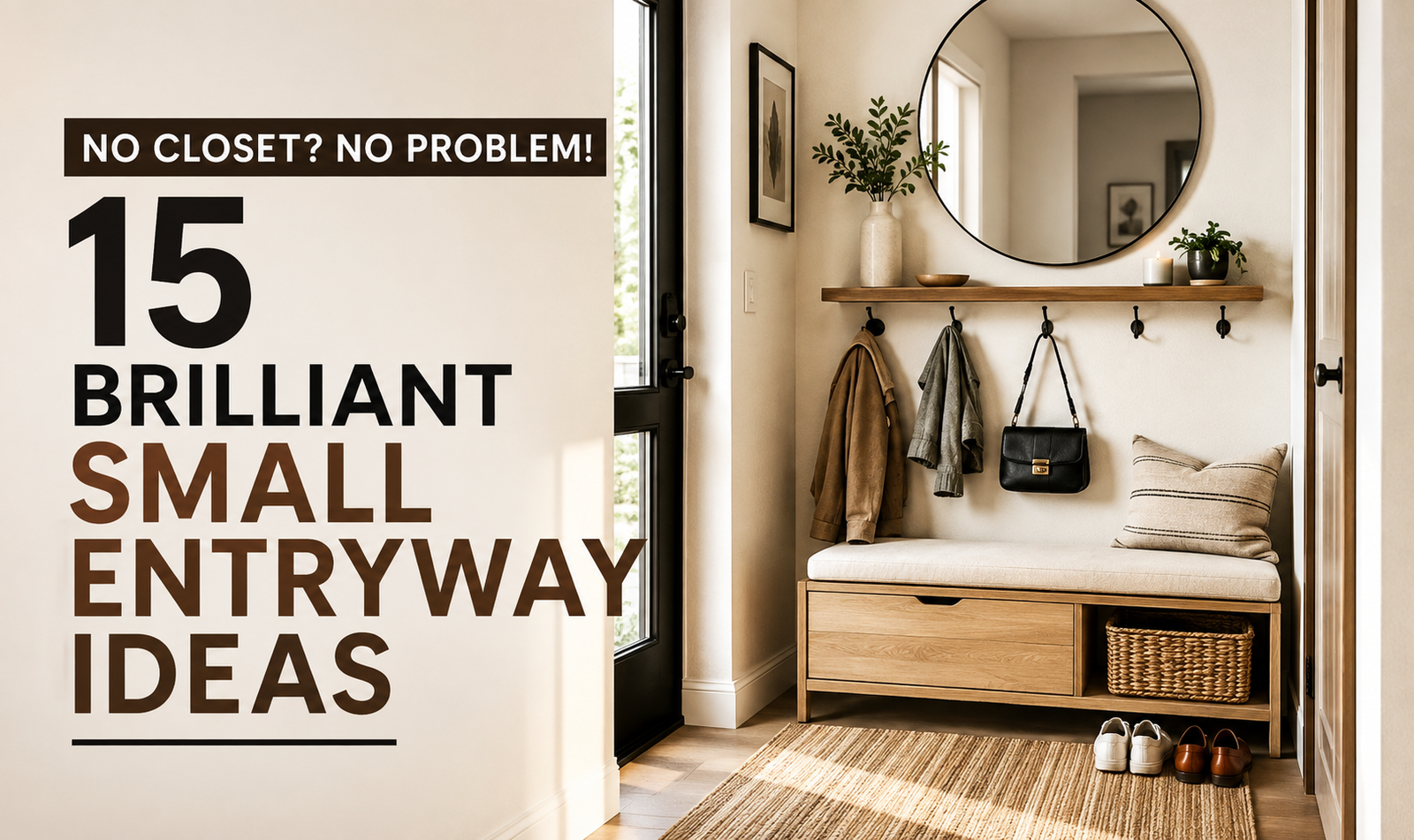
No closet by the front door? Join the club — it’s one of the most common small-home frustrations, and it turns the entryway into a daily obstacle course of coats, shoes, and keys with nowhere to land. But here’s the truth: a closet is just a box. What you actually need is a system — hooks, slim storage, a landing spot for the small stuff — and these small entryway decor ideas with no closet deliver exactly that. Your entrance is the first thing you see coming home and the last thing guests see leaving. Let’s make it work.
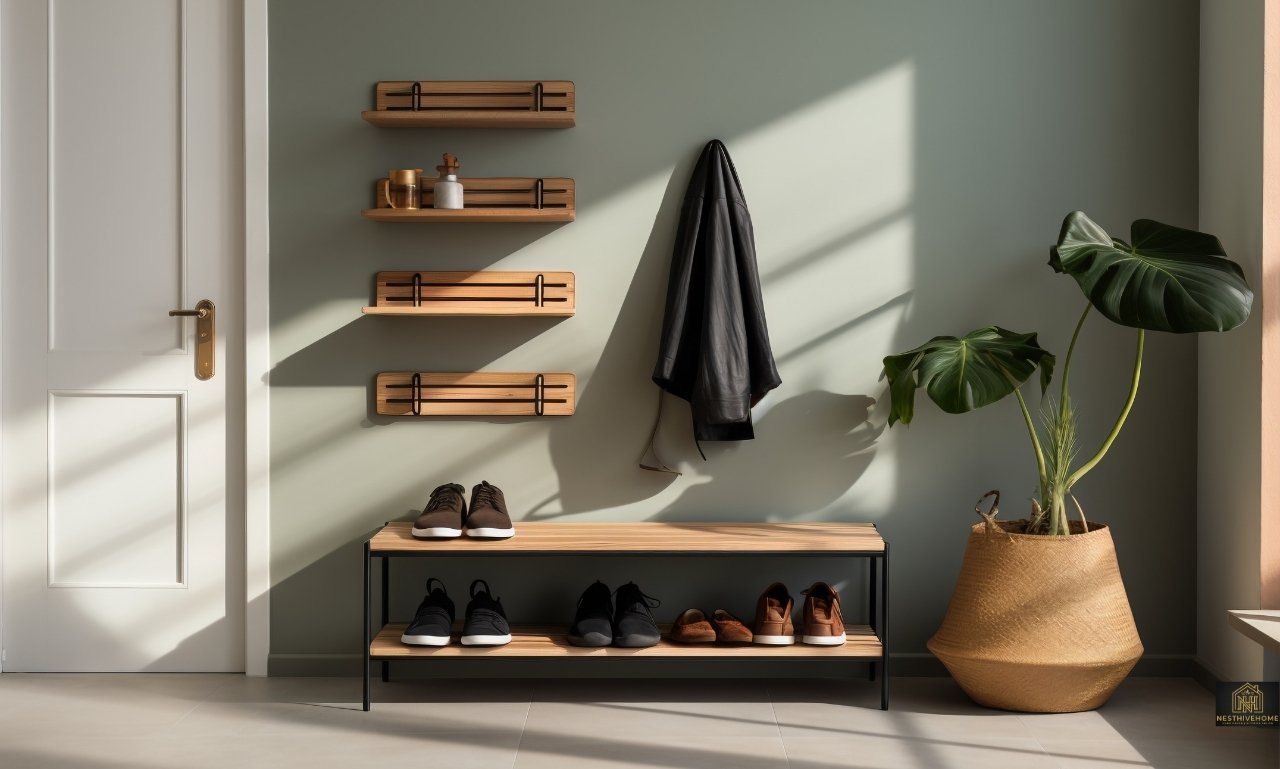
1. Create a Wall-Mounted Drop Zone
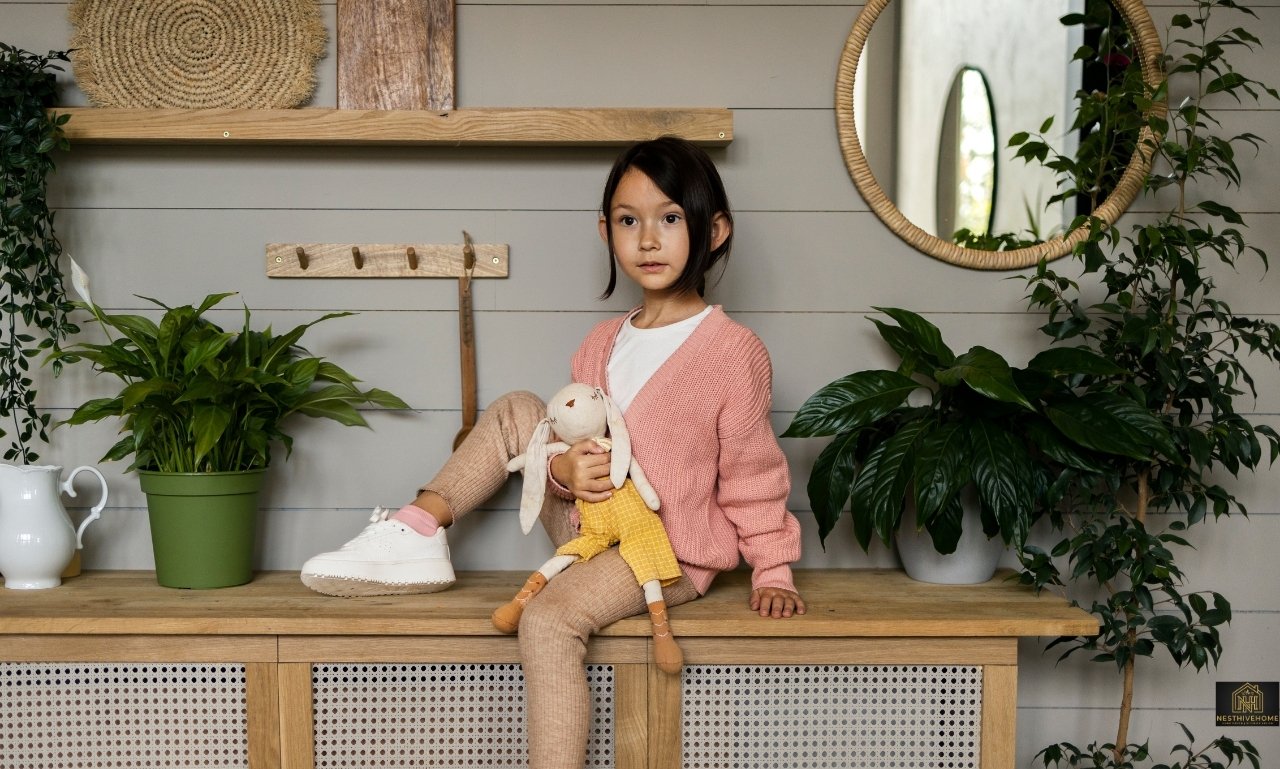
When the floor is spoken for, the walls go to work. A simple wall-mounted drop zone — hooks for coats and bags, a narrow shelf for keys, a small basket for the daily debris — gives everything a landing spot without touching the floor. Keep it to one intentional zone rather than covering the whole wall; restraint is what keeps it looking designed instead of desperate. A wood shelf with black hooks reads modern; brass hardware on a painted shelf leans traditional. Either way, it stops being a pile by the door and starts being a system.
2. Install a Row of Stylish Hooks
Hooks are the hardest-working square inches in a closet-free entryway. Mount them at a comfortable height, give each household member their own (this ends the coat-pile wars), and choose a finish that matches your style — matte black for modern, brushed brass for warmth, natural wood for Scandinavian calm. The discipline: only current-season, currently-used items live on display. Everything else gets stored elsewhere. A hook wall with five curated items looks intentional; one with fifteen looks like a lost-and-found.
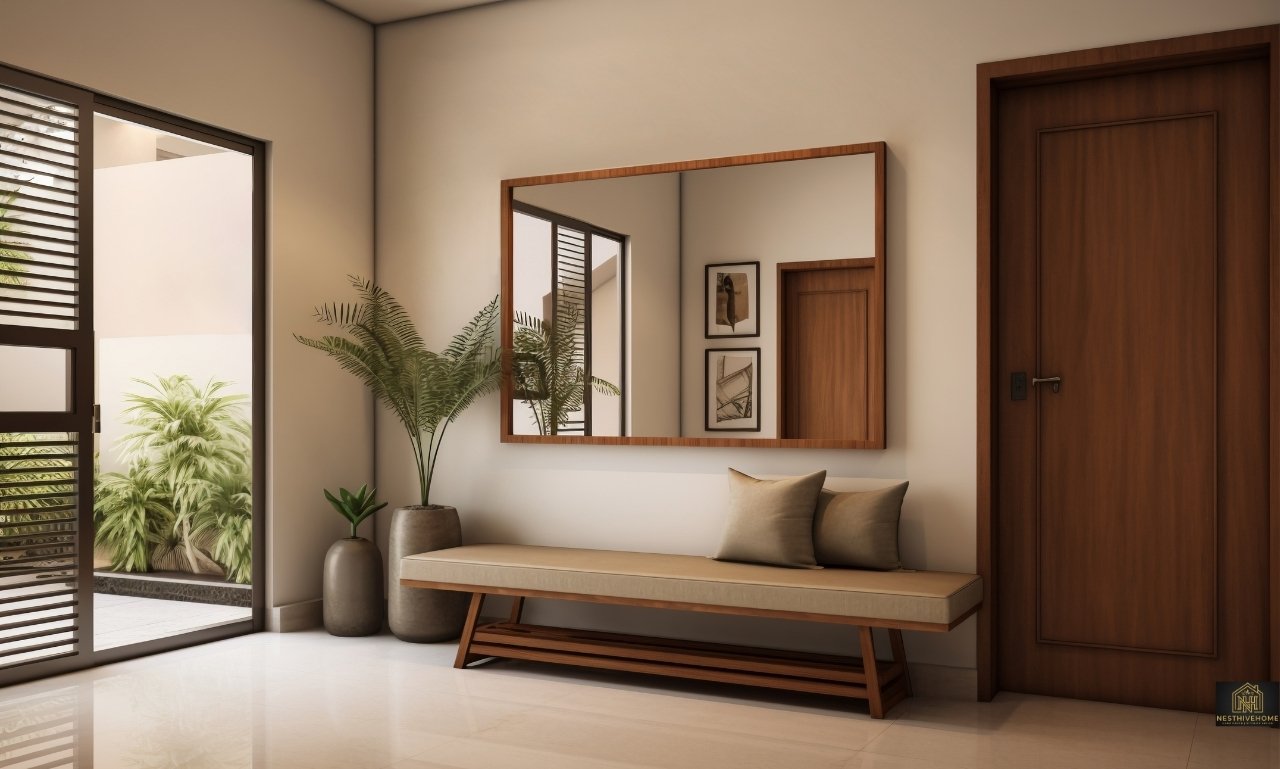
3. Choose a Slim Entryway Bench
A bench does two jobs the entryway desperately needs: somewhere to sit while putting on shoes, and hidden storage underneath. Go narrow — measure your walkway first and leave comfortable passing room. Open shelf below for daily shoes, baskets for the small stuff, or a lift-up seat for the real hiding. Natural wood, upholstered linen, or a simple painted finish that ties into the rest of your home. It’s the one furniture piece that earns its footprint twice over.
4. Use a Narrow Shoe Cabinet
Shoes are what make closet-free entryways look chaotic — they multiply on the floor overnight. A narrow, shallow shoe cabinet uses vertical space instead of floor space, and closed doors mean you never see the mess. Measure your depth before buying; a beautiful cabinet that blocks the walkway is a beautiful mistake. Bonus: the top becomes a console surface for a lamp, a bowl for keys, or a small piece of art. Storage below, style above.
5. Add Baskets for Hidden Storage
Baskets are camouflage for clutter. One for scarves and hats, one for reusable bags, a small one for pet gear — each with a job, each containing what would otherwise be a pile. Woven seagrass and rattan warm up neutral entryways; structured fabric baskets look cleaner and more modern. But don’t go basket-crazy: in a tiny space, two purposeful baskets beat six decorative ones. Every basket needs a mission.
6. Take Storage Above the Door
The wall above the door is the most wasted real estate in the entryway. If you’ve got the ceiling height, a narrow shelf up there holds the stuff you rarely need — winter accessories, spare bags, seasonal decor — in matching boxes or baskets so it looks deliberate. Daily essentials stay at arm’s reach; the high shelf is for the ‘a few times a year’ category. It’s free storage you already own.
7. Make a Mirror Part of the Design
A mirror in a small entryway is never just a mirror: it’s a last-look check before you leave, a light-bouncer that brightens the whole space, and a focal point that makes the area feel designed. Round above a slim console is the classic move; a large thin-framed rectangle reads more contemporary. You don’t need oversized — even a modest mirror with good lighting and a small shelf beside it becomes the star of the entrance.
8. Use a Floating Shelf for Everyday Essentials
One floating shelf near the door, styled with discipline, solves the small-stuff problem: keys, sunglasses, wallet, mail. Add a tray to corral the loose bits, then allow yourself two or three decorative touches — a small plant, a candle, one framed photo. The rule is balance: useful plus beautiful, never just a dumping ground. The moment it becomes a catch-all, it stops working.
9. Create a Mini Mudroom Without a Closet
You don’t need a separate room for mudroom function — you need one good wall. The formula: hooks up top, bench or shoe storage below, and a narrow shelf above if you’ve got the height. That’s it. Coats, shoes, bags, and daily gear all handled in about four feet of wall. Think vertically at every level and a tiny wall will surprise you with how much it holds.
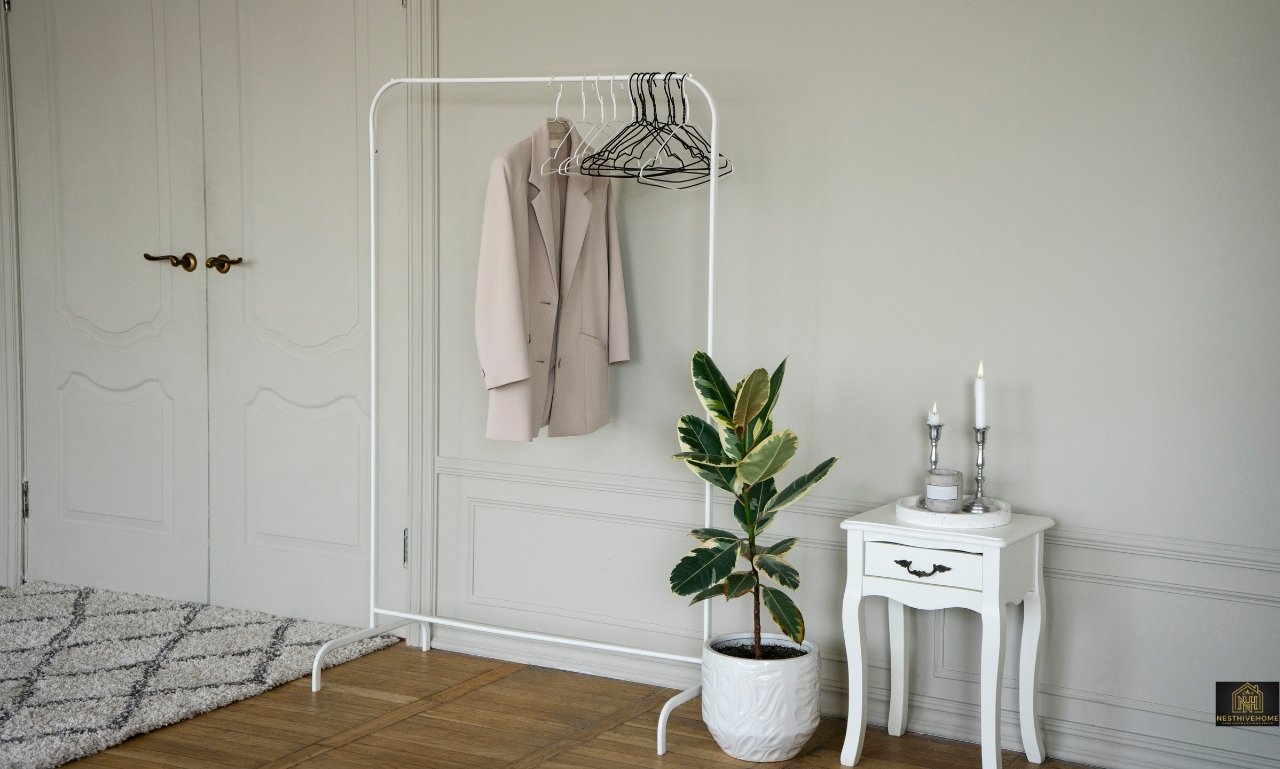
10. Try a Freestanding Coat Rack
Renters, this one’s for you: when you can’t drill, a slim freestanding coat rack in an unused corner does the job with zero holes. Wooden racks warm up the space; sculptural black metal adds a modern edge. The catch — and it’s a big one — is discipline. A coat rack with three current items looks chic; one buried under jackets, bags, and scarves becomes the room’s loudest eyesore. Curate ruthlessly.
11. Use a Storage Bench Instead of a Console
A pretty console table looks nice but solves nothing. A storage bench solves everything: seating, shoe storage, hidden compartments, a styled top surface, and visual anchoring — five jobs in one piece. Drawers, cubbies, or a lift-up seat depending on your needs; baskets inside open cubbies keep the small stuff invisible. In a closet-free entryway, every piece of furniture should work this hard.
12. Add a Small Rug to Define the Entryway
No architectural foyer? Draw one with a rug. A narrow runner marks the entrance as its own zone, adds softness and color underfoot, and visually connects to the adjoining room. Go low-profile (doors need to clear it), easy to clean (entryways take abuse), and keep the pattern simple unless the rest of the space is very plain. It’s the cheapest way to make an entrance feel intentional.
13. Use Vertical Storage to Save Floor Space
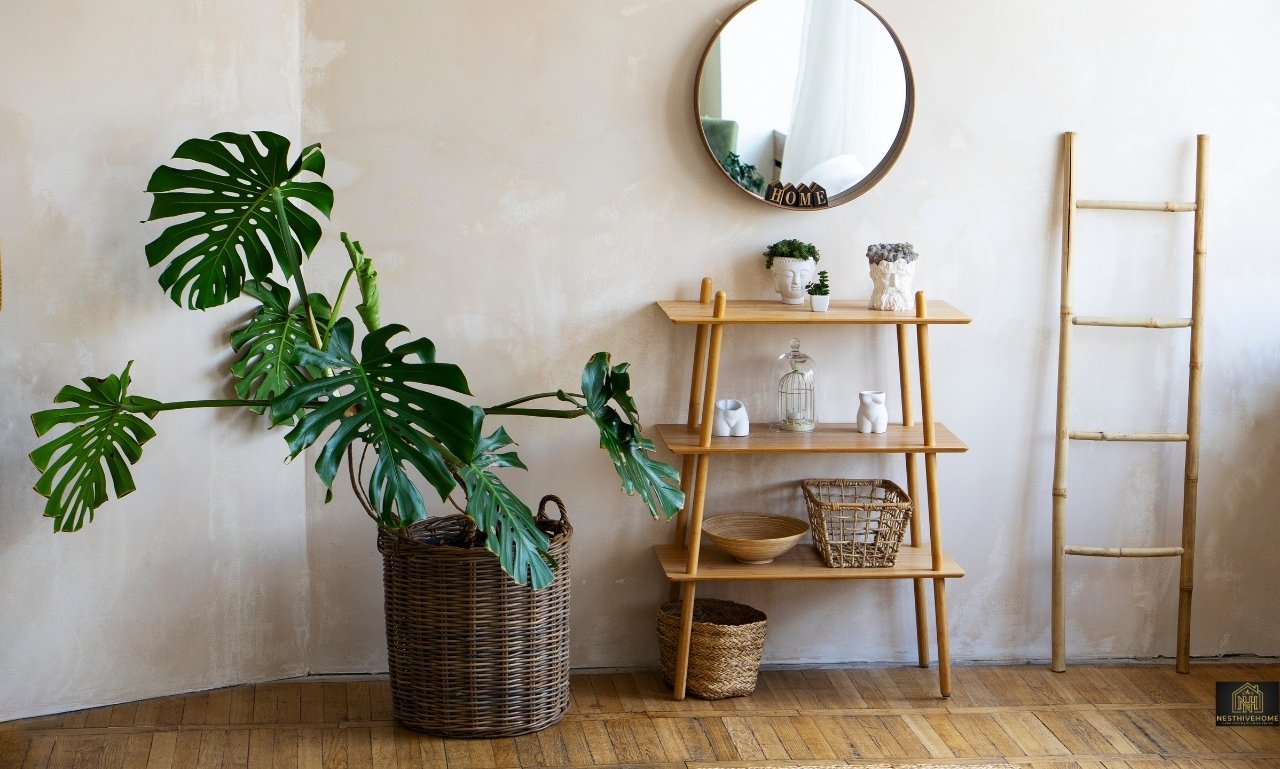
The golden rule of closet-free entryways: build up, not out. Wall hooks, tall narrow shelves, slim cabinets, peg rails, hanging baskets — vertical storage multiplies capacity without stealing walking space. Put daily essentials at easy height and seasonal things up high. A wall used at every level holds astonishingly more than a floor scattered with furniture. This single strategy can double your entryway’s function.
14. Keep a Dedicated Key and Mail Station
Small things cause big clutter: keys, mail, sunglasses, chargers migrating to every flat surface. End it with one dedicated station near the door — a narrow shelf, a wall organizer, or simply one handsome tray that holds it all. One tray beats five small containers; visual calm comes from consolidation. Add a small board for reminders if you need it. The goal is beautifully simple: everything that enters your home gets a place to land.
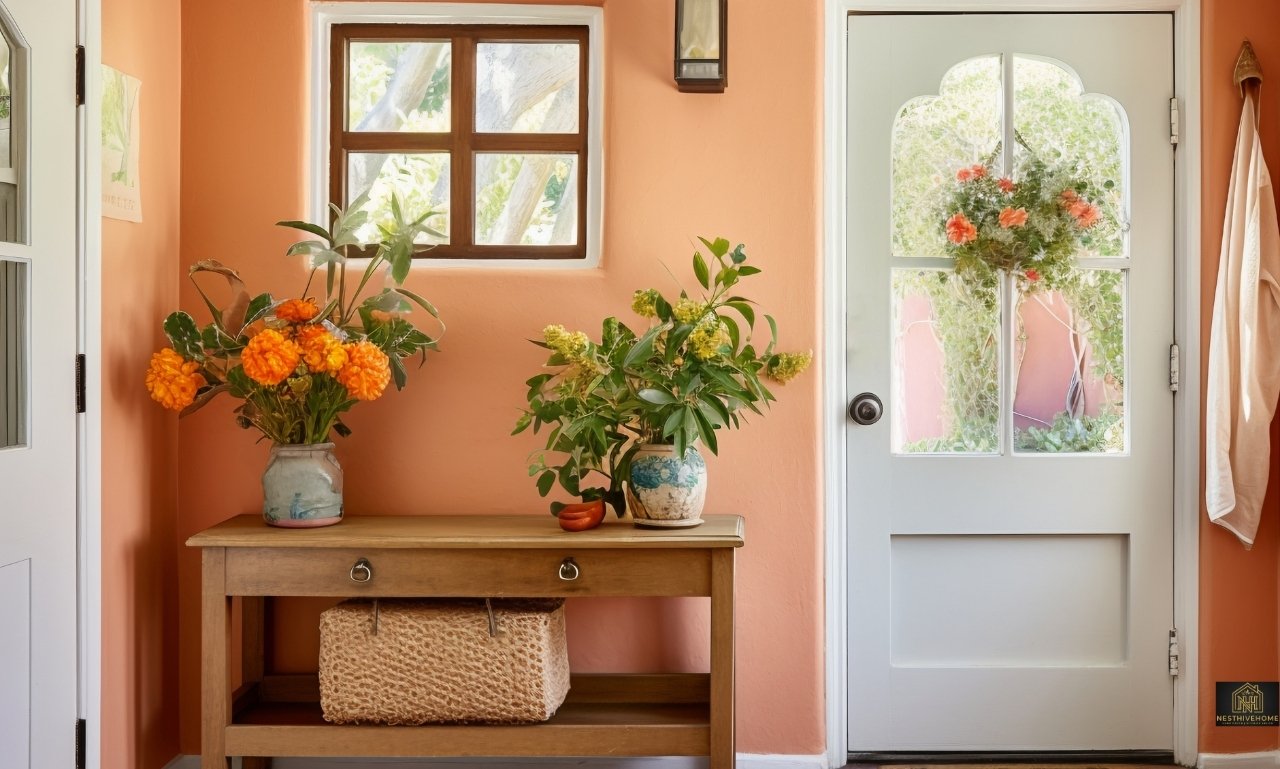
15. Style the Space With One Strong Focal Point
Tiny entryways don’t need lots of decor — they need one great moment. An oversized mirror, one striking artwork, a sculptural light, a beautiful vintage bench, a bold wallpapered wall. Pick your star, then keep everything else quiet. The eye needs somewhere to rest, and one confident focal point makes a small space feel sophisticated instead of sparse. Restraint is the luxury.
How to Make a Small Entryway Feel Bigger
Once storage is sorted, work the visual tricks: lighter wall colors, a mirror to bounce light, wall-mounted pieces that keep the floor clear, and a tight palette of two or three colors so everything feels cohesive. Personality comes through in the accents — artwork, a patterned runner, brass hooks, a plant — not in a rainbow of unrelated purchases. Small and calm always beats small and busy.
Common Mistakes to Avoid
Choosing Furniture That Is Too Deep
A deep cabinet holds a lot — and blocks the hallway. In a narrow entrance, depth is the enemy. Measure first, buy slim, and prioritize walkway comfort over maximum storage. A cabinet you have to squeeze past is a daily annoyance, not a solution.
Leaving Shoes Everywhere
Even the prettiest entryway surrenders to a floor covered in shoes. Give everyday footwear a real home — rack, cabinet, bench, or basket — and enforce a one-pair-per-person rule for what stays out. It’s the single fastest way to make the entrance look intentional.
Using Too Many Hooks
Hooks are great until the wall becomes a coat avalanche. Enough for daily needs, seasonal stuff stored elsewhere. An overloaded hook wall doesn’t read as storage; it reads as chaos. Edit like your entryway’s reputation depends on it — because it does.
Ignoring Vertical Space
If you’re only using the floor, you’re leaving half the entryway’s potential untouched. Walls, the area above doors, tall narrow pieces — look up and claim it. Vertical thinking is the whole game in a closet-free entrance.
Overdecorating
A dozen accessories in a tiny entryway doesn’t look styled; it looks crowded. Choose a few pieces that are both useful and beautiful, and let breathing room do the rest. In small spaces, what you leave out matters as much as what you put in.
A Simple Formula for a Closet-Free Entryway
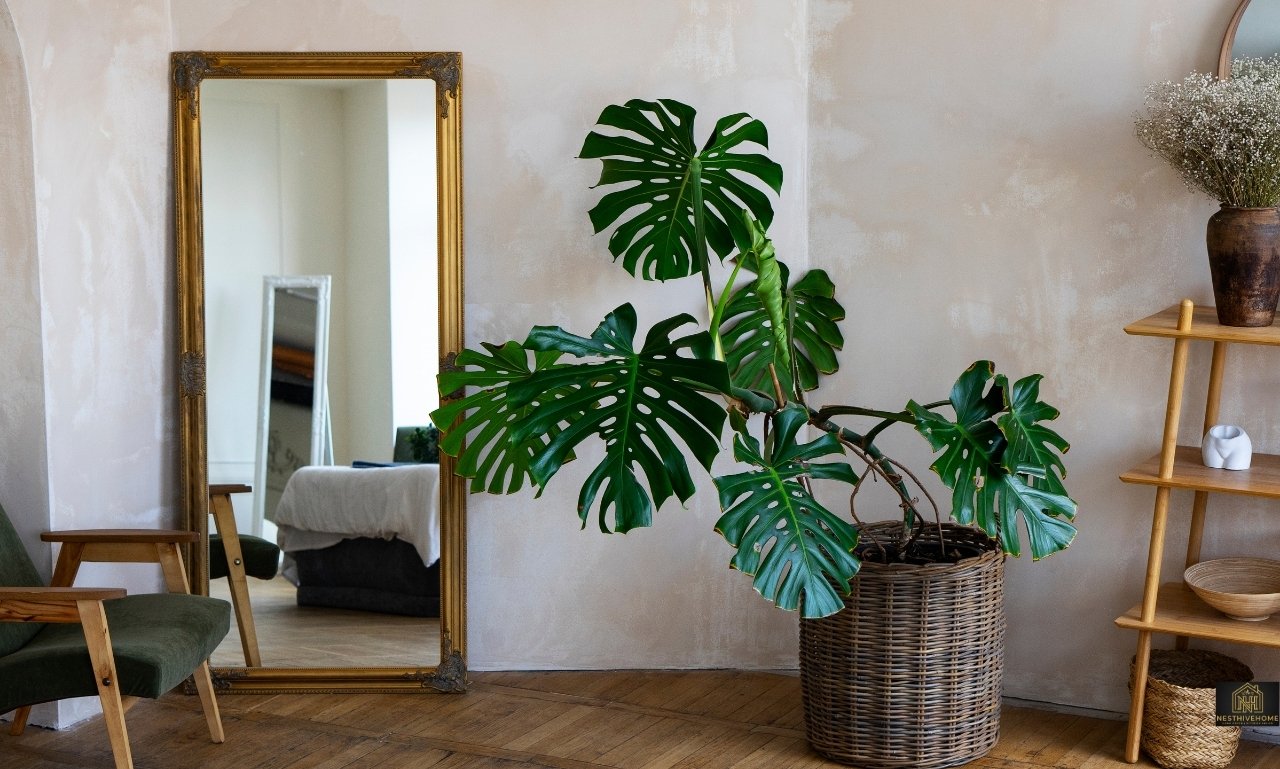
Overwhelmed? Start here: one storage piece + wall hooks + one mirror + one basket + one decorative accent. A slim shoe cabinet, five hooks, a round mirror, a woven basket, a small plant — storage, function, personality, and balance in five moves. Nail this formula and you’ve solved 90% of the closet-free entryway problem.
Final Thoughts
Great small entryway decor with no closet comes down to one principle: give everything a place, and keep the space breathing. Fix your biggest pain point first — shoes, coats, or the key-and-mail drift — then layer in the mirror, the rug, the greenery. The best entryway isn’t the one with the most storage. It’s the one where everything has a home and the space still feels welcoming. Even without a closet, yours can absolutely be that entryway.


One thought on “Small Entryway Decor With No Closet: 15 Brilliant Ideas”