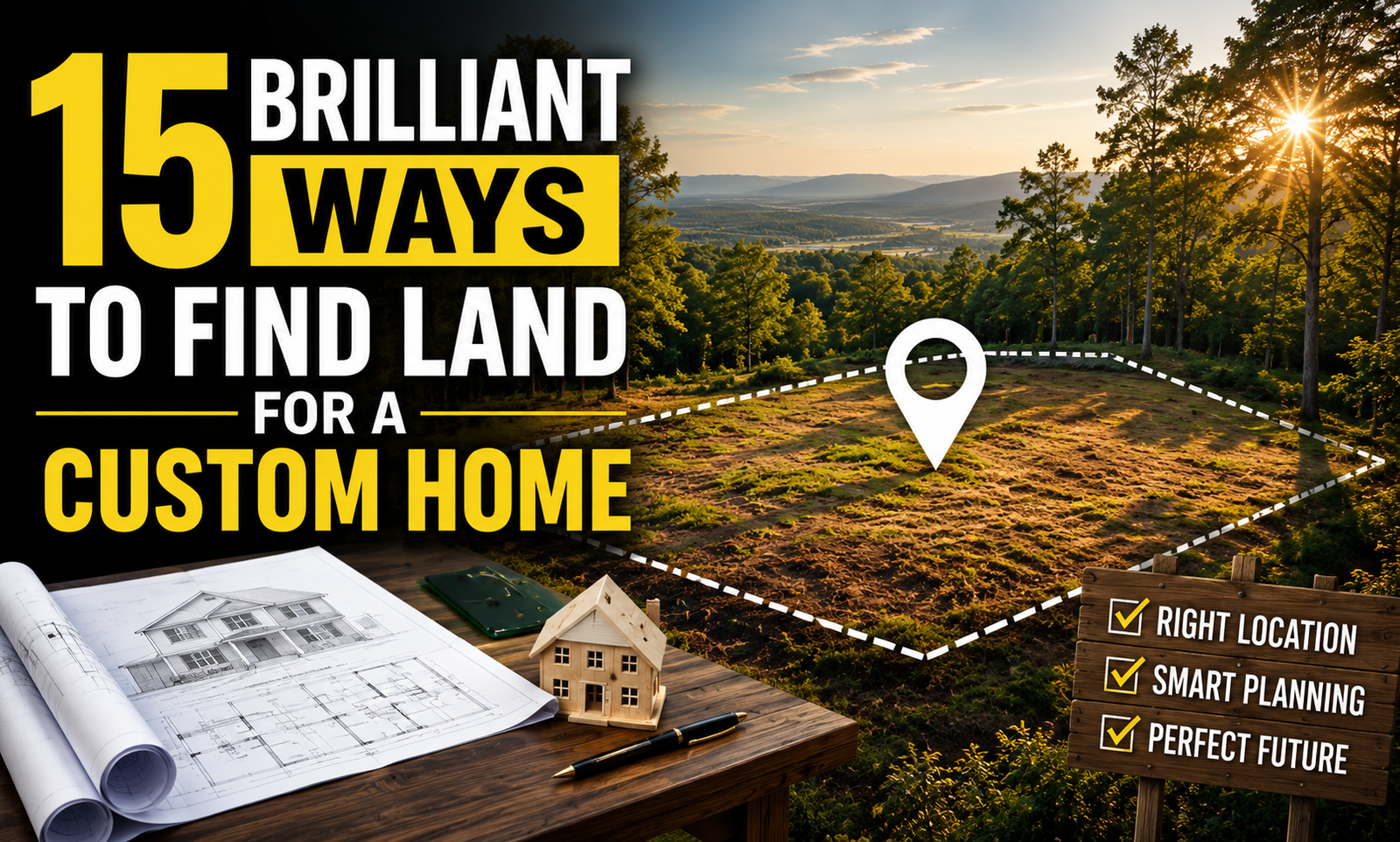
To find land for a custom home, start by deciding what you want from the location before looking at individual properties. Think about commute times, schools, shopping, privacy, views, neighborhood character, and access to essential services. Your ideal lot should support both the home you want to build and the lifestyle you want to enjoy. It is also important to understand local development rules before becoming attached to a particular property. Taking time to define your priorities can make the entire land-search process more focused and efficient.
Find Land for a Custom Home Through Local Listings
Online property listings can be an excellent starting point when you want to find land for a custom home. Search specifically for vacant residential lots, acreage, buildable parcels, and undeveloped property in your preferred areas. Compare lot size, asking price, road access, utilities, zoning information, and property taxes. Save promising listings so you can compare them side by side rather than making quick decisions. Online research can help you understand local land prices before scheduling property visits.
Find Land for a Custom Home With a Local Agent
A real estate professional who specializes in land can help you discover properties that may not immediately appear in your searches. Local agents often understand neighborhood development patterns, zoning restrictions, and upcoming opportunities. Tell the agent exactly what type of home you plan to build and what features your ideal lot should provide. Ask about previous sales of comparable parcels to understand whether asking prices are reasonable. A knowledgeable local professional can also help identify potential concerns before you make an offer.
Find Land for a Custom Home by Exploring Acreage
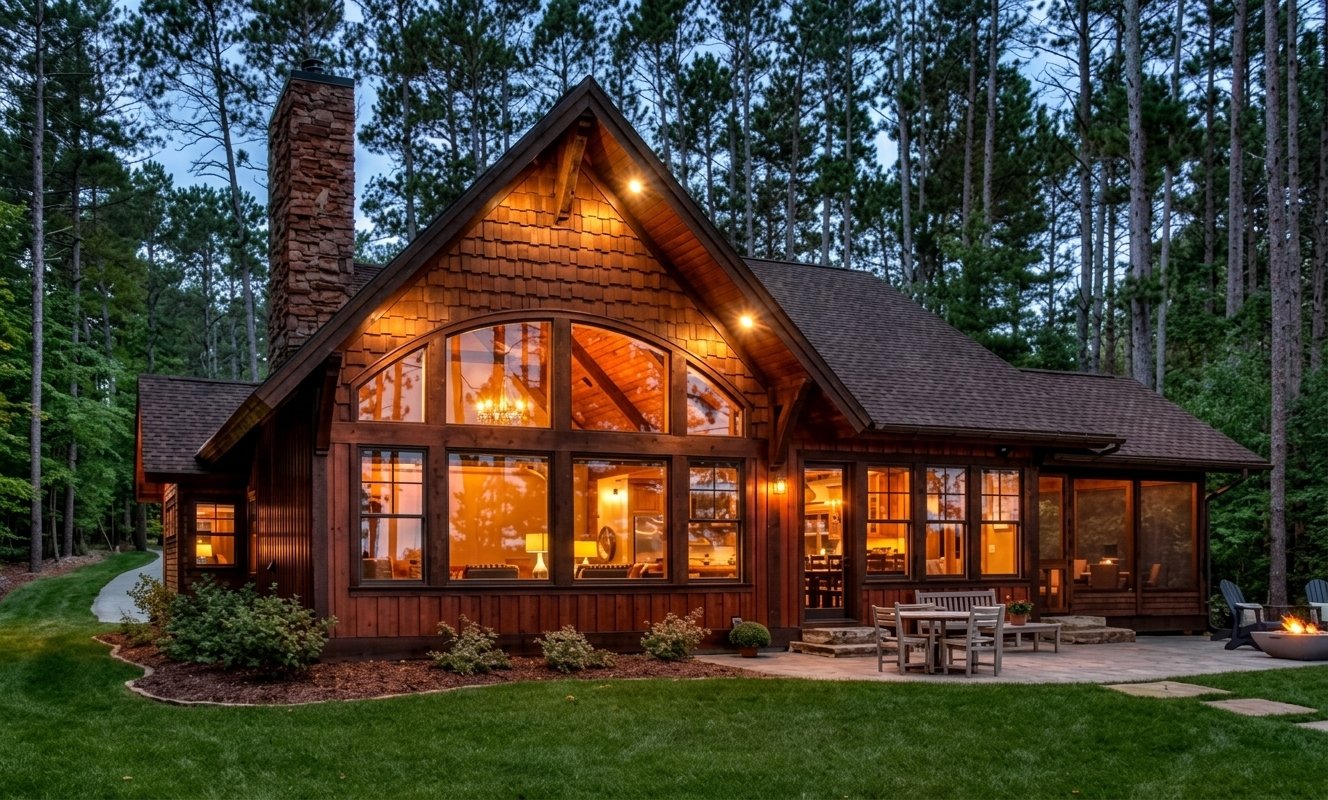
Larger parcels can provide greater flexibility for designing a custom home and its outdoor spaces. Acreage may allow room for gardens, workshops, pools, detached garages, outdoor entertaining areas, or additional privacy. However, more land does not automatically mean easier construction. Larger properties can involve longer driveways, additional utility expenses, difficult terrain, or greater maintenance requirements. Consider how much land you genuinely need rather than assuming the biggest parcel is automatically the best choice.
Find Land for a Custom Home With a Defined Budget
Before you find land for a custom home, establish a realistic total project budget. The purchase price is only one part of the overall cost of building on an undeveloped parcel. You may also need to account for surveying, soil testing, site preparation, permits, utility connections, driveway construction, landscaping, and other development expenses. Leave room in the budget for unexpected site conditions. Understanding the complete financial picture can prevent an affordable-looking lot from becoming an expensive mistake.
Find Land for a Custom Home by Checking Zoning
Zoning should be one of the first things you investigate before purchasing a property. Local regulations can determine what type of residence you can build, how large it can be, where it can sit, and what setbacks must be maintained. Some parcels may have restrictions affecting garages, guest houses, fences, pools, or other structures. Contact the appropriate local planning or zoning authority for current requirements. Never assume that vacant land is automatically suitable for the home design you have in mind.
Find Land for a Custom Home With a Property Survey
A current property survey can help you understand exactly where the parcel begins and ends. It can identify boundaries, easements, rights-of-way, structures, and other important features that may not be obvious during a casual property visit. A survey can also help your future designer or architect understand the available building area. If an existing survey is outdated or unavailable, consider obtaining professional surveying advice. Knowing the actual boundaries can prevent expensive surprises during planning and construction.
Find Land for a Custom Home by Testing the Soil
Soil conditions can have a major impact on whether and how you can build on a parcel. Depending on the property and local requirements, professional testing may be needed to evaluate drainage, septic suitability, bearing conditions, or other site characteristics. A beautiful lot can become significantly more expensive if it requires extensive preparation. Ask qualified local professionals what testing is appropriate before committing to the purchase. Understanding the ground beneath the property is just as important as appreciating the view above it.
Find Land for a Custom Home With Utility Research
Utility access should be carefully investigated before purchasing vacant land. Determine whether electricity, water, natural gas, sewer, or other services are already available at or near the property. If utilities are not nearby, connection or installation costs can become a significant part of the project. Rural parcels may require wells, septic systems, propane, or other alternatives depending on local conditions. Contact utility providers directly for accurate information instead of relying solely on a property listing.
Find Land for a Custom Home by Visiting the Property
Photos and satellite imagery cannot replace an in-person property visit. Walk the entire parcel at different times when possible and pay attention to slope, drainage, vegetation, road conditions, neighboring properties, and surrounding noise. Look carefully at how sunlight moves across the potential building area. Consider what the property might feel like during different seasons and weather conditions. A site visit can reveal practical details that are easy to miss when viewing land online.
Find Land for a Custom Home by Studying the Terrain
The shape and elevation of a property can strongly influence the design and construction process. Flat or gently sloping land may provide simpler building conditions, while steep terrain can require specialized engineering and additional site work. Pay attention to low areas where water could collect and elevated areas that might provide better views. Think about how vehicles will reach the future home as well. Understanding the terrain early can help you choose a lot that works naturally with your desired home design.
Find Land for a Custom Home With Future Plans in Mind
The surroundings of a property can change over time, so research more than what exists today. Investigate nearby development proposals, planned roads, zoning changes, and other projects that could affect the area. A quiet parcel may eventually face new construction or increased traffic. On the other hand, planned improvements could make a location more valuable and convenient. Looking beyond the current landscape can help you make a decision based on the property’s long-term potential.
Find Land for a Custom Home by Comparing Multiple Lots
Avoid choosing the first attractive property you discover. Create a comparison list that includes price, size, location, utilities, zoning, terrain, access, privacy, and estimated development requirements. Visit several parcels so you can understand the differences between them. One property may have a lower purchase price but significantly higher site-development costs. Comparing several options gives you a stronger understanding of what represents genuine value in your preferred area.
Find Land for a Custom Home With Professional Inspections
Professional advice can be extremely valuable before purchasing undeveloped property. Depending on the location, you may want input from a surveyor, soil specialist, engineer, builder, architect, or other qualified professional. These experts can identify conditions that may not be visible to an inexperienced buyer. Their advice can help determine whether your preferred home design is practical for the site. Spending money on appropriate due diligence before purchasing land can potentially save much more later.
Find Land for a Custom Home Without Rushing the Decision
Finding the perfect parcel can take time, especially when you have specific design and lifestyle goals. Do not let an attractive view or competitive listing pressure you into skipping essential research. Review zoning, access, utilities, boundaries, terrain, soil conditions, and development costs before making a commitment. Keep your priorities written down so emotional excitement does not override practical considerations. A patient approach can help you find a property that supports your vision instead of creating unnecessary challenges.
Final Tips to Find Land for a Custom Home
The best way to find land for a custom home is to balance your dream location with practical building requirements. Start with a clear budget and location strategy, then investigate zoning, utilities, access, terrain, soil, boundaries, and future development. Visit promising properties in person and involve qualified professionals when specialized questions arise. Remember that the cheapest parcel is not always the most affordable place to build. With careful research and thoughtful planning, you can choose a piece of land that gives your future custom home the right foundation.