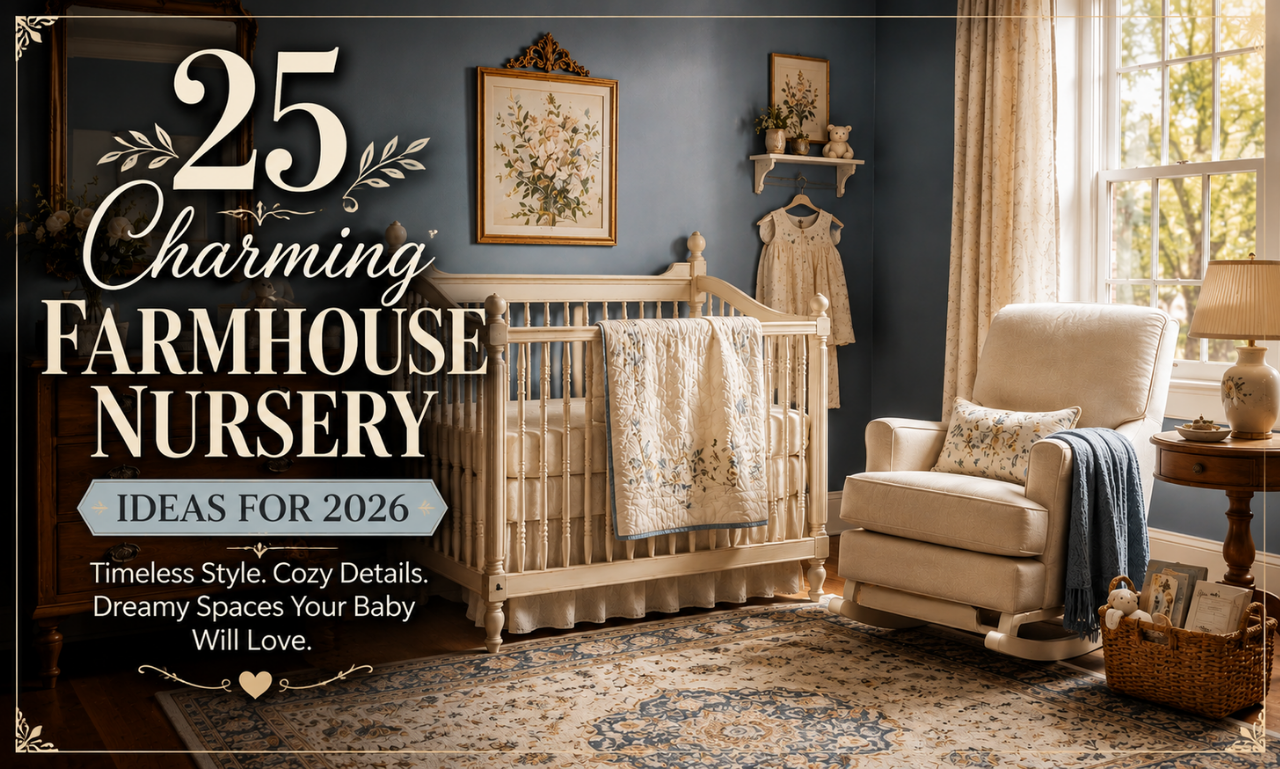
Creating a nursery is one of those home projects that feels both exciting and meaningful. You want the room to look beautiful, but it also needs to feel calm, comfortable, practical, and easy to use every day.
A farmhouse nursery is especially appealing because it combines natural materials, soft colors, cozy textures, and timeless details. You can create the look with simple wooden furniture, woven baskets, vintage-inspired accessories, gentle patterns, and warm lighting without making the room feel overly themed.
For 2026, farmhouse-inspired nurseries are becoming more relaxed and refined. Instead of filling the room with too many rustic decorations, focus on a few beautiful materials and personal details that make the space feel warm and welcoming.
Whether you are preparing a large nursery or working with a small room, these farmhouse nursery ideas can help you create a sweet space that grows beautifully with your little one.
Key Takeaways
- Use warm neutrals as the foundation of the nursery.
- Choose natural wood furniture for an authentic farmhouse feel.
- Mix soft fabrics with woven and textured accessories.
- Keep storage practical while making it part of the décor.
- Use gentle lighting to create a relaxing atmosphere.
- Add personalized details that make the room feel special.
- Mix vintage-inspired pieces with modern nursery essentials.
- Avoid overcrowding the room so it remains calm and functional.
Start With a Soft Neutral Color Palette
A gentle color palette creates the perfect foundation for a farmhouse nursery. Instead of relying on bright colors, start with shades such as warm white, cream, beige, oatmeal, soft taupe, and light gray.
These colors make the room feel peaceful while giving you plenty of flexibility when choosing furniture and accessories.
If you want a little more color, muted sage green, dusty blue, soft blush, or warm terracotta can work beautifully as accents. Use these shades through cushions, artwork, blankets, curtains, or small decorative pieces.
The key is to keep the overall palette balanced. Too many strong colors can make a nursery feel visually busy, while a carefully layered neutral scheme creates a softer atmosphere.
You can also introduce contrast through natural wood. Light oak, pine, or slightly darker wood tones add warmth without taking away from the calm appearance.
Choose a Beautiful Wooden Crib
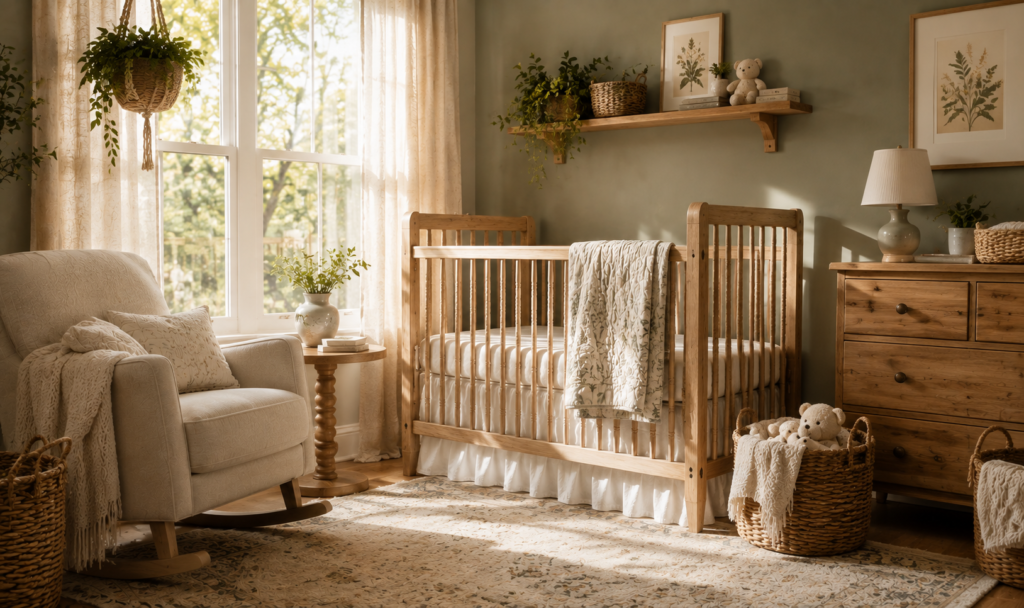
The crib is naturally one of the most important pieces in a nursery, so it can also become a major part of the room’s visual design.
A simple wooden crib works especially well with farmhouse décor. Look for clean lines, a natural finish, or a soft painted surface that complements your color palette.
Light wood creates a fresh Scandinavian-inspired farmhouse look, while medium or darker wood can give the room a more traditional character.
Keep the crib area visually simple. Instead of surrounding it with numerous decorations, let the crib and wall behind it create a calm focal point.
For safety, always follow the crib manufacturer’s instructions and current safe-sleep guidance when choosing and setting up the sleeping space.
Bring Warmth With Natural Woo
Natural wood is one of the easiest ways to give a nursery that unmistakable farmhouse character.
You can introduce wood through a changing table, dresser, shelves, side table, picture frames, wall hooks, or decorative accessories. The wood does not have to match perfectly; slightly different tones can make the room feel more natural and collected.
If the furniture is mostly painted, a few exposed wood accents can prevent the room from looking too uniform.
Choose finishes that highlight the natural grain rather than heavily disguising it. Light oak and warm pine can create an airy appearance, while walnut-inspired tones can provide deeper contrast.
The goal is not to turn the nursery into a rustic cabin. A few carefully selected wooden elements can provide just enough warmth for a modern farmhouse look.
Create a Cozy Nursery Reading Corner
A comfortable chair can become one of the most useful pieces in the entire nursery. It gives you a place to feed, read, relax, or spend quiet moments together.
Choose a chair with comfortable support and upholstery that complements the room’s color palette. A cream, beige, oatmeal, or soft gray chair can blend naturally with farmhouse décor.
Add a small side table for books, a lamp, or other everyday essentials. A soft throw can make the corner feel even more inviting.
If space allows, place a small basket nearby for books or blankets. This keeps useful items within reach while also adding texture to the room.
A reading corner does not need to be elaborate. Comfort should always come before decoration.
Add Charming Farmhouse Wall Decor
The walls provide an excellent opportunity to add personality without taking up valuable floor space.
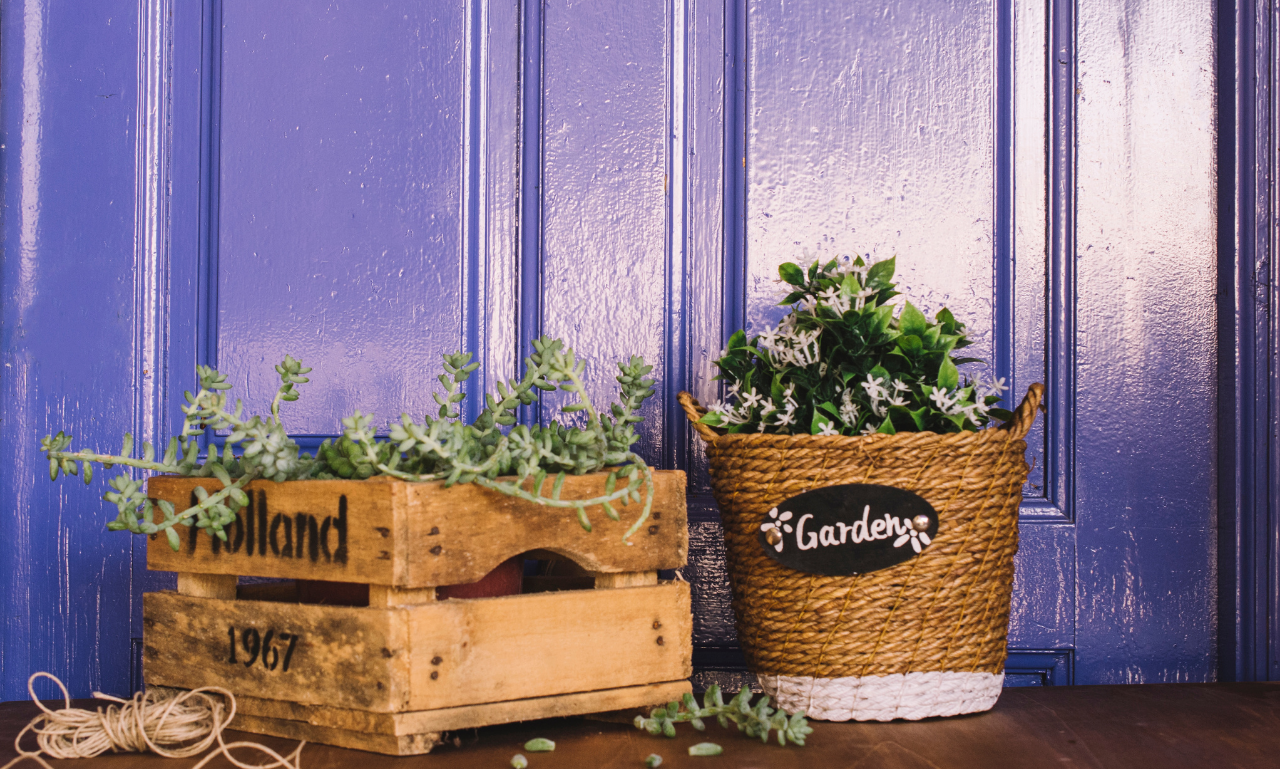
Consider simple botanical prints, animal illustrations, vintage-inspired signs, soft landscapes, or personalized artwork. Natural wood frames can reinforce the farmhouse aesthetic.
For a more modern appearance, choose artwork with simple shapes and plenty of empty space. For a traditional farmhouse nursery, slightly vintage-looking illustrations can add character.
You could also create a small gallery wall above a dresser or reading corner. Keep the arrangement balanced and avoid placing too many pieces close together.
Personalized artwork featuring the baby’s name or initials can make the room feel especially meaningful, but it works best when used as one thoughtful feature rather than repeated throughout the space.
Layer Cozy Textures Throughout the Room
Texture is essential when creating a comfortable farmhouse nursery. It makes neutral colors feel richer and gives the room a warm, welcoming quality.
Start with soft bedding and then introduce additional textures through blankets, curtains, rugs, cushions, baskets, and upholstered furniture.
Woven baskets are particularly useful because they combine function and decoration. Use them for blankets, toys, books, or everyday nursery supplies.
A soft rug can also make the room feel more comfortable while visually connecting the furniture. Choose a washable or easy-to-maintain option if the nursery will receive plenty of everyday use.
Try combining smooth cotton with knitted fabrics, woven materials, natural wood, and soft upholstery. The different surfaces will create depth without requiring bold colors.
Use Woven Baskets for Beautiful Storage
Storage is essential in a nursery, but it does not have to look purely functional.
Woven baskets are a natural fit for farmhouse interiors because they provide useful storage while adding organic texture. Place them beneath shelves, beside a changing table, inside an open cabinet, or next to a reading chair.
Use different basket sizes for different purposes. Larger baskets can hold blankets and toys, while smaller ones can organize books, accessories, or everyday essentials.
For a more coordinated appearance, choose baskets in similar natural tones. You can mix shapes and sizes while keeping the material and color family consistent.
Open shelving paired with baskets is another practical solution. It allows frequently used items to remain accessible while keeping the overall room tidy.
Add Soft and Practical Lighting
Lighting can completely change the mood of a nursery. During the day, natural daylight can make the room feel fresh and spacious, while softer lighting can create a calm atmosphere in the evening.
Instead of relying on one ceiling fixture, consider combining overhead lighting with a table lamp, floor lamp, or wall light.
A small lamp near the reading chair can provide useful illumination without making the entire room bright. A dimmable fixture can also make it easier to adjust the lighting according to the time of day.
Choose lighting designs that complement the farmhouse style. Natural wood, woven shades, simple ceramic bases, and understated metal details can all work beautifully.
Always position lighting and electrical components safely and according to the manufacturer’s instructions, especially in a nursery.
Choose a Classic Farmhouse Dresser
A beautiful dresser can provide essential storage while becoming one of the nursery’s main decorative features. Look for a simple design with clean lines, natural wood, or a soft painted finish.
White, cream, light gray, and natural wood are especially easy to style with farmhouse décor. If you prefer a more traditional appearance, consider furniture with subtle panel details or vintage-inspired hardware.
Use the top surface carefully. A small lamp, framed artwork, a decorative basket, or a simple plant can add personality without making the area feel crowded.
If you use a dresser as part of a changing station, make sure it is properly secured and follow the manufacturer’s safety instructions for the changing setup.
Create a Sweet Farmhouse Accent Wall
An accent wall can give the nursery a strong visual feature without requiring a complete room makeover.
You could use warm neutral paint, subtle wallpaper, vertical paneling, shiplap-inspired detailing, or simple wooden trim. Choose an approach that complements the furniture rather than competing with it.
Soft beige, warm white, muted sage, dusty blue, and gentle taupe can all work beautifully in a farmhouse nursery.
For a more personalized appearance, combine the accent wall with a few carefully selected pieces of artwork or a simple name sign.
Keep the design relatively calm. A nursery benefits from visual simplicity, so one well-designed wall can often have more impact than decorating every surface.
Add Vintage-Inspired Farmhouse Details
Vintage-inspired accessories can give a nursery character without making it look old-fashioned.
Consider a classic wooden frame, antique-style mirror, vintage-inspired clock, old-fashioned book covers, or a small decorative piece with a traditional farmhouse feel.
The trick is to use these details sparingly. One or two distinctive pieces can create charm, while too many can make the room feel themed rather than thoughtfully designed.
Mixing vintage-inspired accessories with modern furniture creates a more balanced look. A contemporary crib paired with an old-fashioned-style frame or traditional wooden dresser can feel both timeless and fresh.
Choose pieces that are visually attractive but also safe and appropriate for a baby’s environment.

Style the Nursery With Soft Curtains
Curtains can make a nursery feel softer and more finished while providing useful control over natural light and privacy.
Lightweight linen or cotton-look curtains work particularly well with farmhouse interiors. Cream, ivory, beige, and soft white can blend naturally with the rest of the room.
If you want more visual interest, choose a subtle stripe, tiny floral pattern, or understated check that complements the existing color scheme.
Hang curtains neatly and make sure cords and other window coverings are safely managed according to current child-safety guidance.
For a polished appearance, choose curtains that work with the rug, bedding, and other textiles rather than treating them as a completely separate element.
Personalize the Nursery With Meaningful Details
The most memorable nurseries are often the ones that include small details connected to the family.
A framed name, personalized artwork, meaningful photograph, handmade blanket, or special keepsake can make the room feel more personal.
You do not need to personalize everything. One or two meaningful features are often enough to give the nursery its own identity.
Consider creating a small memory shelf where appropriate, but keep decorative objects securely out of a baby’s reach. As the child grows, the room can gradually change to include more personal artwork and favorite items.
The farmhouse style works particularly well with handmade and sentimental pieces because they add warmth and character without requiring expensive decoration.

Keep the Farmhouse Nursery Simple and Cozy
The final step is knowing when to stop decorating. A beautiful nursery does not need to contain every farmhouse accessory you can find.
Focus on the pieces that genuinely improve the room: comfortable furniture, useful storage, soft textiles, gentle lighting, natural materials, and a few meaningful decorations.
Leave enough open space for movement and everyday tasks. A less crowded room is easier to clean, organize, and enjoy.
For a modern 2026 farmhouse look, combine traditional warmth with simple contemporary details. Natural wood, soft neutrals, woven textures, comfortable furniture, and personal touches can create a room that feels timeless without looking outdated.
Most importantly, make the nursery work for your family’s daily routine. Style matters, but comfort, safety, and practicality should always come first.
Create a Dreamy Farmhouse Ceiling Moment
The ceiling is often overlooked when decorating a nursery, but a subtle treatment can make the room feel much more finished. A simple pendant light, natural woven shade, or soft wood detail can add character without making the space feel busy.
Choose a design that complements the furniture and wall colors. A woven light fixture can bring warmth, while a simple white or natural wood fixture keeps the room bright and airy.
Keep the overall design soft and understated. The goal is to add another layer of farmhouse charm without distracting from the main features of the nursery.
Give the Crib Wall a Beautiful Focal Point
The wall behind the crib naturally attracts attention, making it an ideal place for a thoughtful design feature.
You could use subtle paneling, a soft neutral paint color, botanical artwork, a simple wooden sign, or a delicate wallpaper pattern. Choose one main feature rather than combining too many decorative elements.
A restrained design can make the crib area feel polished and peaceful. Natural wood frames and soft colors work particularly well with farmhouse furniture.
Remember to keep decorative items securely mounted and away from the baby’s reach. A beautiful design should always work alongside practical nursery safety.
Bring in Charming Farmhouse Patterns
Patterns can add personality without taking away from the calm feeling of a nursery. Small checks, subtle stripes, tiny florals, and simple botanical prints can all complement a farmhouse-inspired space.
Use patterns through bedding, curtains, cushions, rugs, or small decorative accessories. There is no need to use the same pattern everywhere.
A good approach is to choose one main pattern and combine it with solid colors and simple textures. This creates interest while keeping the room visually balanced.
Soft, muted patterns usually work better than very bold designs because they maintain the peaceful atmosphere that makes a nursery feel comfortable.
Make Everyday Storage Beautiful
A nursery needs plenty of storage, but practical storage can also become part of the decorating scheme.
Use wooden shelves, woven baskets, compact drawers, and attractive storage boxes to keep everyday items organized. Place frequently used essentials somewhere convenient while keeping less-used items stored away.
Open shelves can display books and decorative pieces, while baskets can hide toys, blankets, and smaller nursery supplies.
Choose storage pieces that coordinate with the room’s main materials. Natural wood, cream finishes, woven textures, and simple hardware can create a cohesive farmhouse appearance.
When everything has a designated place, the nursery becomes easier to maintain and much more relaxing to use.
Add a Soft Farmhouse Rug
A well-chosen rug can instantly make a nursery feel warmer and more comfortable. It also helps visually connect the crib, dresser, chair, and other furniture.
Neutral shades such as cream, beige, oatmeal, and soft gray are easy to work with. If you want more character, consider a subtle stripe, vintage-inspired pattern, or understated geometric design.
Choose a rug that is practical for everyday life. Easy maintenance can be especially valuable in a nursery where spills and messes are part of the routine.
A textured rug can also add depth when the rest of the room uses simple colors and furniture.

Finish With Thoughtful Farmhouse Accessories
The final accessories are what give the nursery its personality. Instead of filling every shelf and surface, choose a few pieces that genuinely add charm.
A small wooden sign, ceramic vase, framed illustration, woven basket, handmade blanket, or simple decorative object can be enough.
Try to repeat materials and colors throughout the room so the accessories feel connected. For example, natural wood frames can complement a wooden dresser, while woven baskets can echo the texture of a rug or light fixture.
The most successful farmhouse nurseries feel collected rather than overly decorated. Leave some empty space so the room remains peaceful and visually comfortable.
Conclusion
A farmhouse nursery is all about warmth, simplicity, and thoughtful details. You can create a beautiful space without filling it with expensive furniture or excessive decorations.
Start with a calming color palette, add natural wood, choose comfortable furniture, and introduce soft textures through rugs, bedding, curtains, and blankets. Practical storage, gentle lighting, and meaningful accessories can then complete the room.
For a modern 2026 interpretation, combine classic farmhouse charm with clean lines and a lighter, more relaxed approach. This keeps the nursery feeling timeless while still giving it a fresh appearance.
Most importantly, create a room that works for your everyday life. When comfort, safety, organization, and personal style come together, the result is a farmhouse nursery that feels genuinely special.