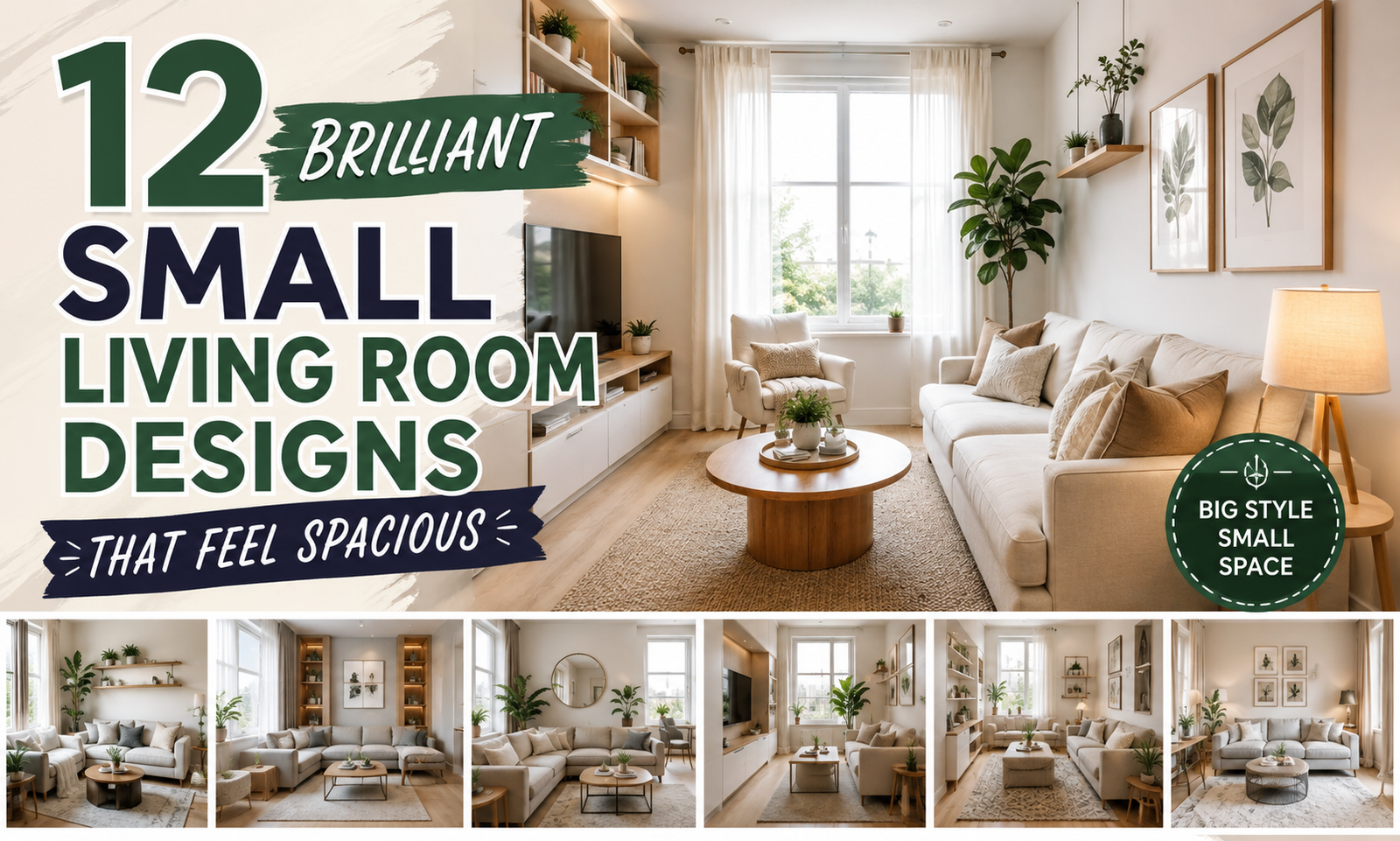
Small Living Room Designs can completely change how a compact space looks and functions. The right layout, furniture scale, and decorating choices can make a room feel far larger than its actual dimensions. Instead of filling every corner, focus on creating clear walking paths and visual breathing room. Multi-functional furniture, light colors, and carefully positioned seating can instantly improve the sense of space. These ideas prove that a small living room can still feel comfortable, polished, and beautifully designed.
Small Living Room Designs With an Open Seating Layout
An open seating arrangement is one of the easiest ways to make a compact living room feel larger. Position a streamlined sofa against a wall and keep the center of the room as open as possible. Choose one or two lightweight accent chairs rather than bulky seating pieces. A small round coffee table can maintain comfortable circulation without overwhelming the floor. This simple arrangement creates a relaxed conversation area while preserving valuable walking space.
Small Living Room Designs Using Multifunctional Furniture
Furniture that performs more than one job is a smart choice for limited square footage. Consider an ottoman that doubles as seating and hidden storage, or a compact sofa bed for occasional guests. Nesting tables can be separated when needed and stacked neatly when they are not in use. A storage bench beneath a window can also provide seating without taking up additional floor area. These flexible pieces help your living room stay organized without sacrificing style.
Small Living Room Designs With Furniture Against the Walls
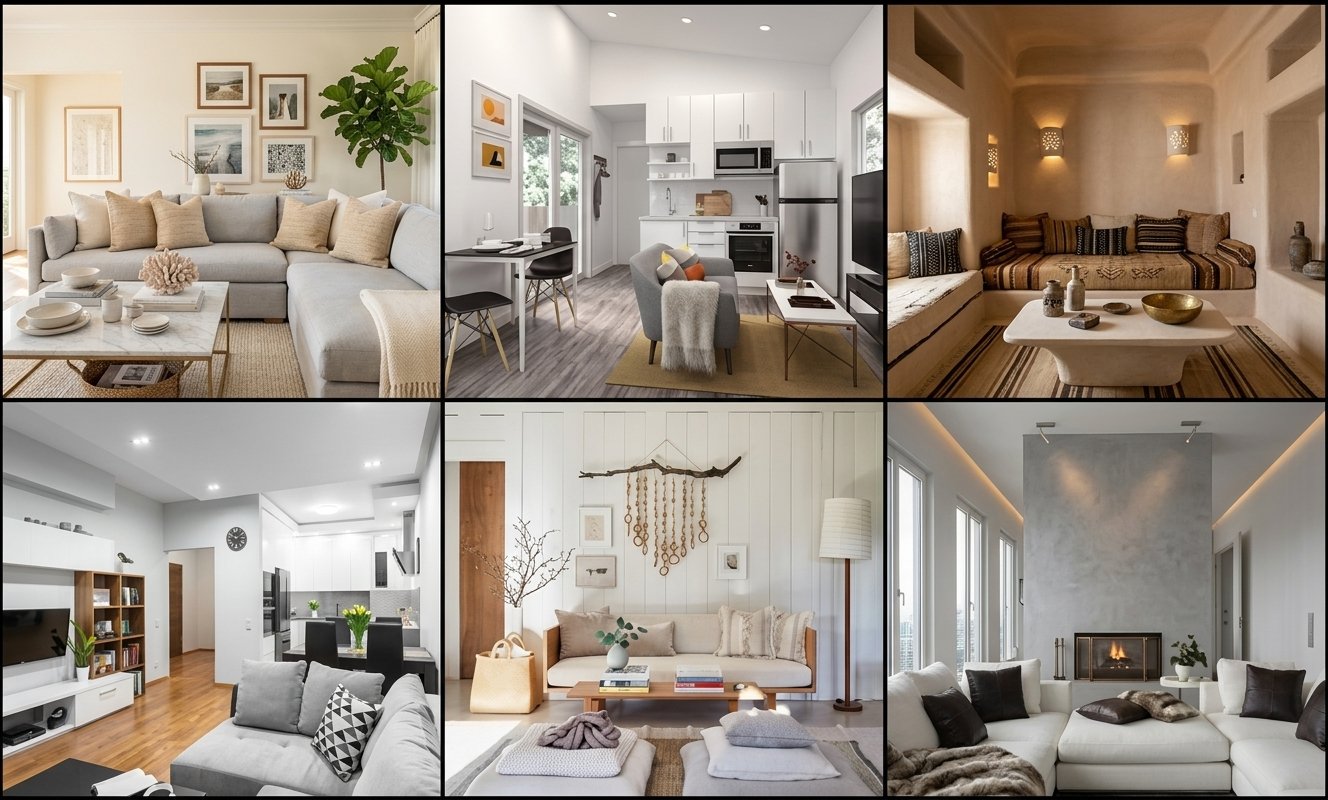
Pushing appropriately sized furniture toward the walls can create a more generous central area. Instead of placing a large sofa in the middle of the room, keep it close to the longest wall. Add a slim console behind or beside the seating only when necessary. Avoid oversized furniture that extends too far into the walking path. The result is a cleaner floor plan that feels less crowded and easier to move through.
Small Living Room Designs Featuring Vertical Storage
When floor space is limited, look upward. Tall bookcases, wall-mounted cabinets, and floating shelves can provide useful storage without consuming much floor area. Use the upper portion of the wall for books, artwork, baskets, and carefully selected accessories. Keeping frequently used items organized prevents surfaces from becoming cluttered. Vertical storage also draws the eye upward, making the room appear taller and more balanced.
Small Living Room Designs With a Corner Sofa
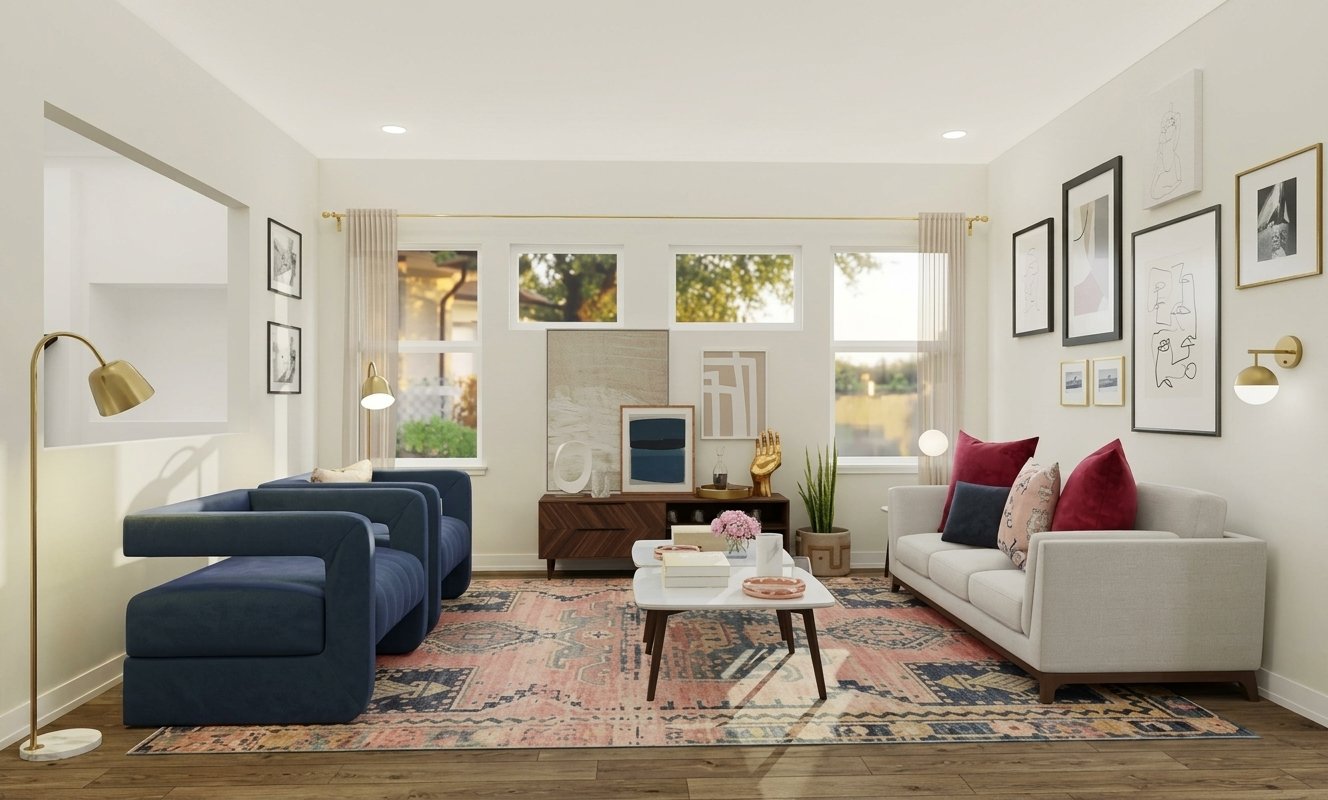
A compact sectional can make excellent use of an awkward corner while providing plenty of seating. Choose a low-profile design with clean lines rather than a deep, oversized sectional. Place it tightly into the corner to free up the opposite side of the room. Pair it with a narrow coffee table or nesting tables to preserve circulation. This arrangement creates a cozy seating zone without wasting valuable corners.
Small Living Room Designs With a Floating Furniture Plan
Floating furniture can work surprisingly well when carefully planned. Instead of pushing every piece against a wall, position a compact sofa slightly away from the wall to define the living area. A slim console behind the sofa can add function while maintaining a polished appearance. Keep sufficient space around the arrangement for easy movement. This technique can make a small room feel intentionally designed rather than simply filled with furniture.
Small Living Room Designs That Use Mirrors Strategically
Mirrors can help a compact living room feel brighter and more open by reflecting light and surrounding space. Place a large mirror opposite a window when possible to maximize natural brightness. A floor-to-ceiling mirror can create a stronger sense of depth, while a wide wall mirror can visually expand a narrow room. Keep the surrounding decor simple so the mirror remains an effective focal point. The goal is reflection without creating visual clutter.
Small Living Room Designs With a Compact Coffee Table
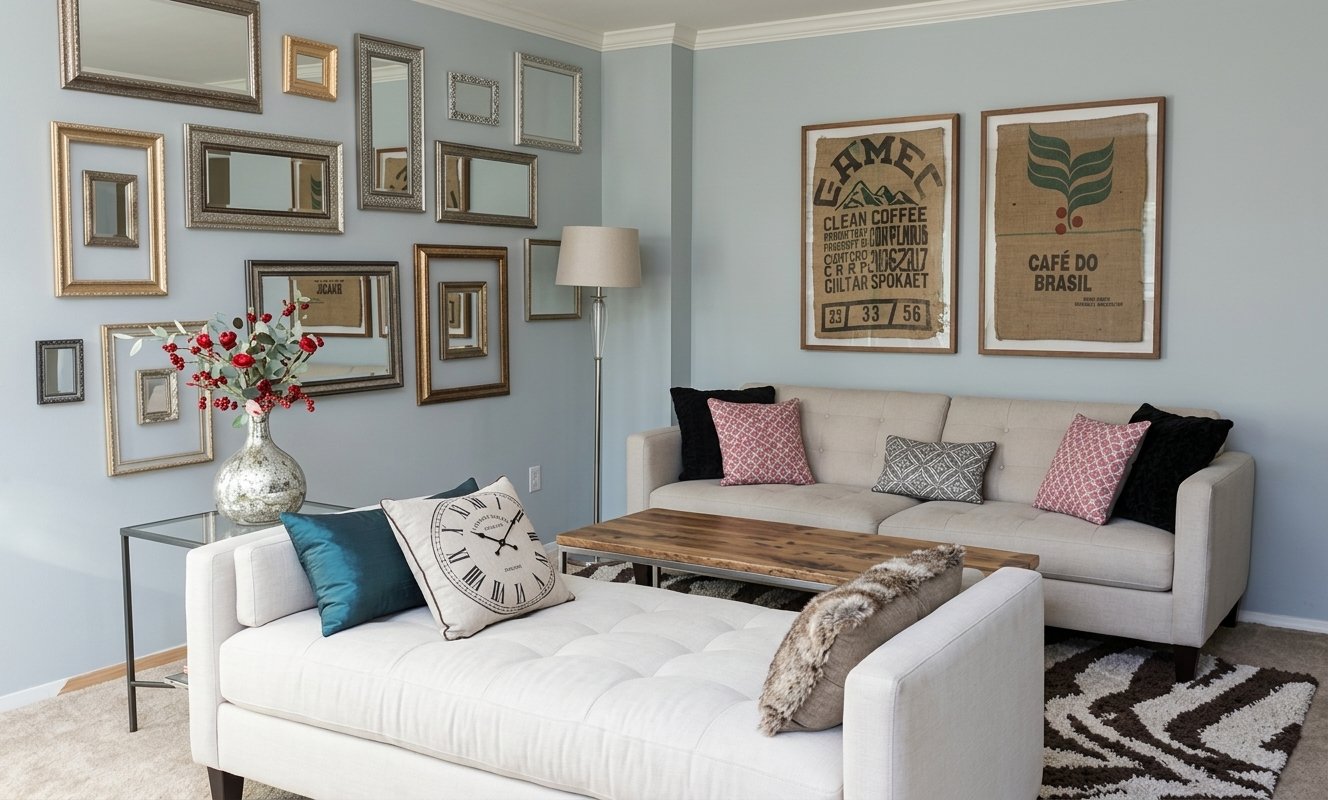
The coffee table should fit the room rather than compete with it. Choose a slim rectangular table, small round design, or nesting table set depending on the shape of your seating area. Glass or visually lightweight surfaces can make the floor feel less obstructed. Leave enough clearance around the table for comfortable movement. A well-scaled coffee table keeps the room functional while preserving its open appearance.
Small Living Room Designs With a Defined Rug Zone
A properly sized area rug can visually organize a small living room and make the seating arrangement feel intentional. Choose a rug large enough to connect the major furniture pieces rather than using a tiny mat that floats in the center. Neutral patterns can add texture without overwhelming the space. Align the rug with the seating layout to create a clear visual zone. This approach makes the room feel cohesive and thoughtfully planned.
Small Living Room Designs With Light and Airy Colors
Light colors can make a compact living room feel brighter and more expansive. Soft white, warm beige, pale gray, cream, and muted natural tones work especially well in small spaces. Continue similar tones across the walls, furniture, and larger accessories to create visual continuity. Add depth through wood, woven textures, greenery, or subtle patterns. A restrained palette can make the entire room feel calmer and more spacious.
Small Living Room Designs With Hidden Storage
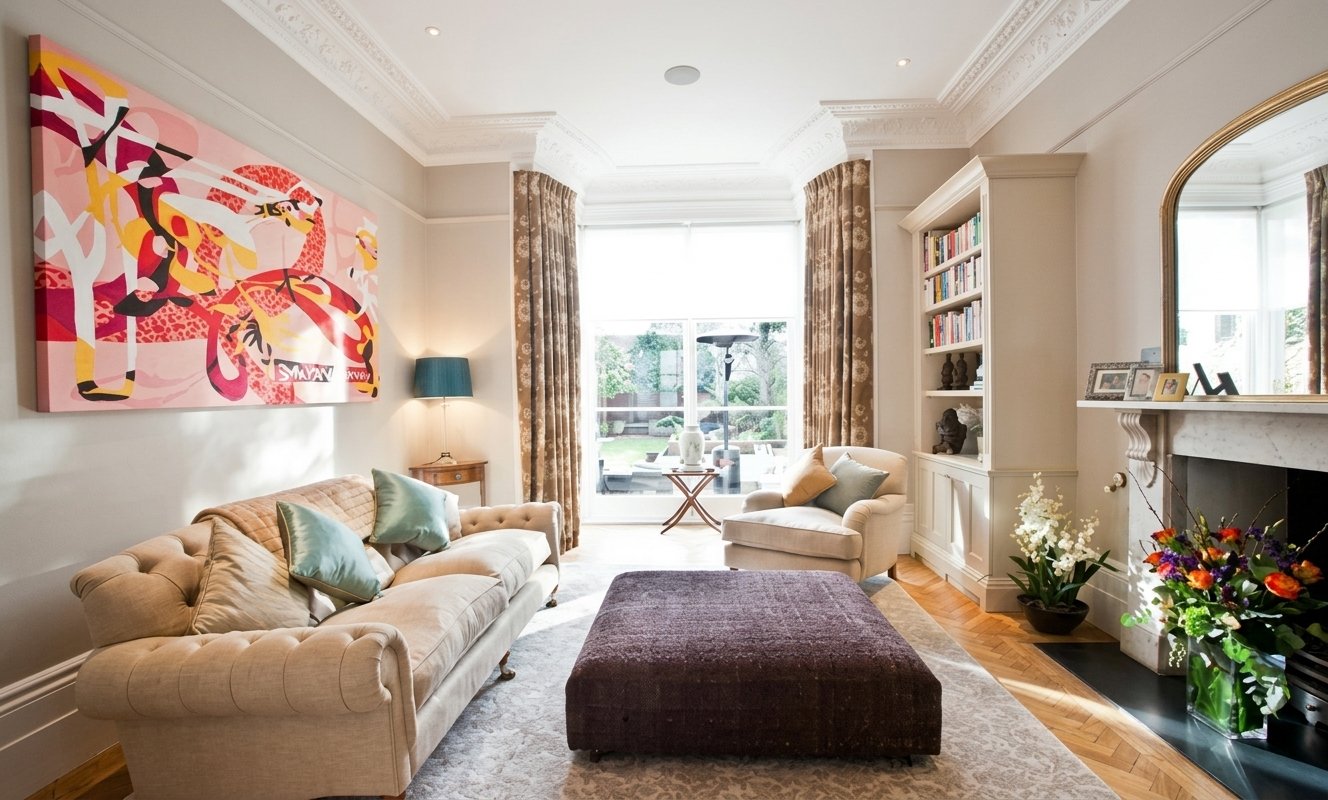
Hidden storage helps maintain the uncluttered appearance that makes a small room feel larger. Look for coffee tables with compartments, sofas with built-in storage, or cabinets that conceal everyday items. Closed storage is particularly useful for electronics, blankets, toys, and other objects that can quickly create visual mess. Keep only a few decorative pieces visible. A tidy room naturally feels more open and comfortable.
Small Living Room Designs With Smart Traffic Flow
A beautiful layout still needs to function comfortably every day. Before arranging furniture, identify the main entrances, exits, windows, and pathways through the room. Avoid blocking doors or creating narrow passages between large furniture pieces. Keep frequently used routes clear and position seating where conversation feels natural. Prioritizing traffic flow can make even a very compact living room feel effortless to use.
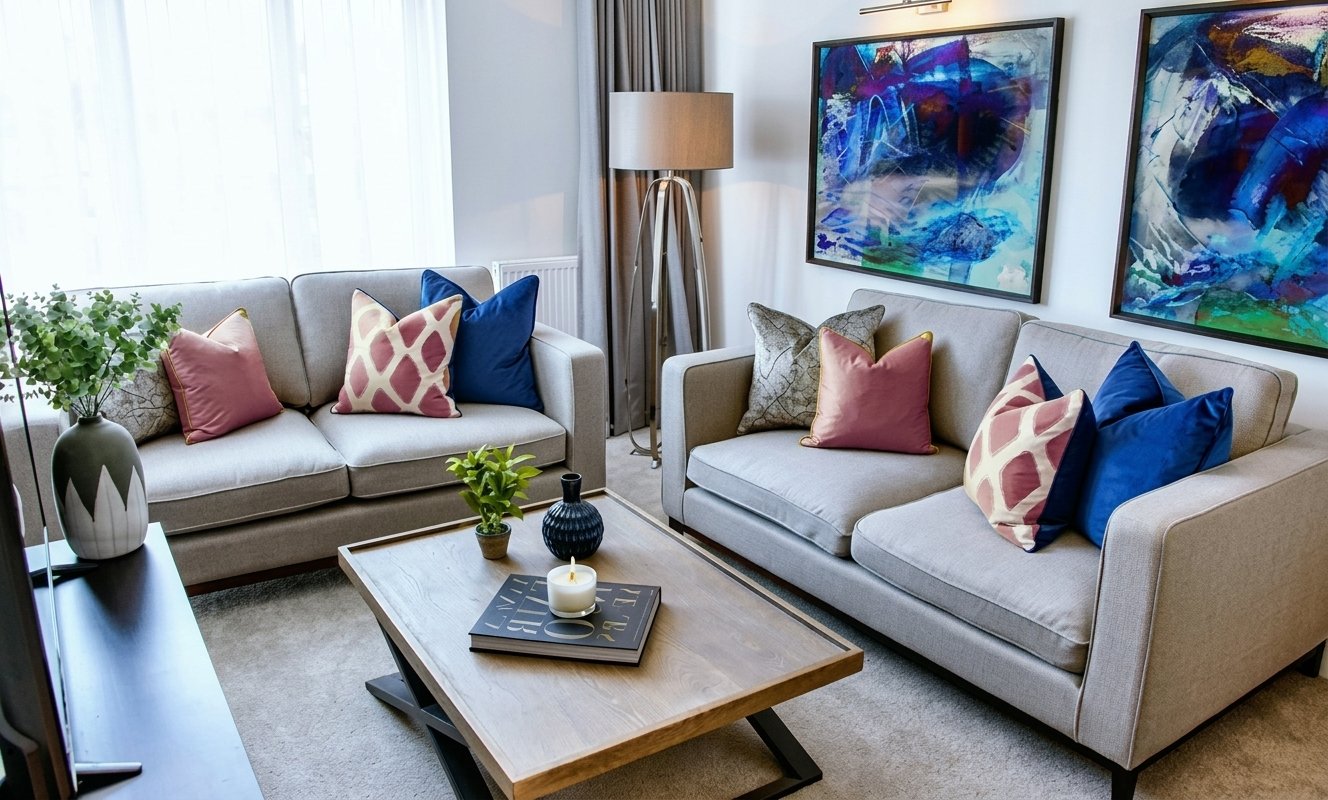
Final Thoughts on Small Living Room Designs
The best Small Living Room Designs are not about squeezing more furniture into less space. They are about choosing pieces carefully, improving circulation, using vertical space, and creating visual balance. From multifunctional furniture and smart storage to mirrors and light color palettes, small changes can have a surprisingly large impact. Experiment with your room’s proportions and daily needs before committing to a layout. With thoughtful planning, even a tiny living room can feel stylish, functional, and remarkably spacious.