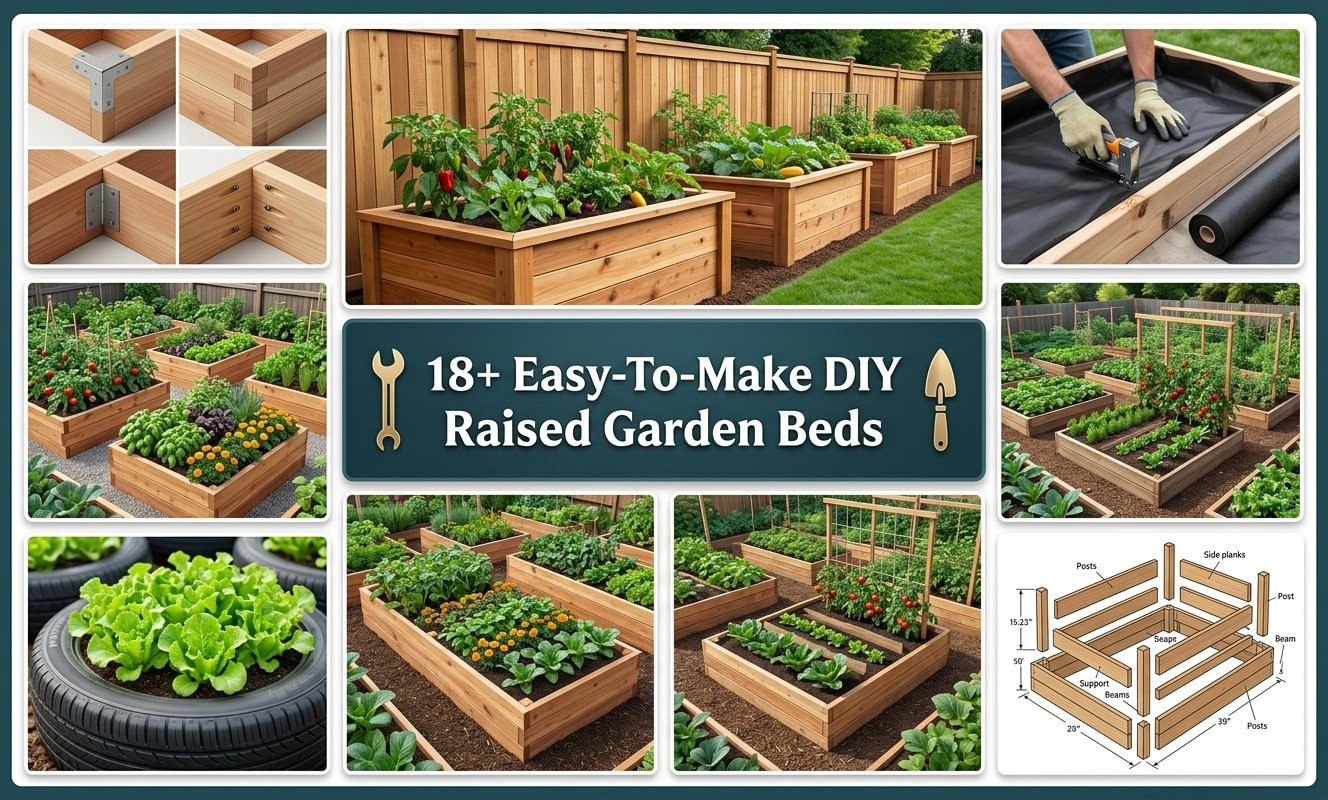
DIY raised garden beds are a simple way to create an organized and productive growing space without complicated landscaping. They can improve garden organization, make planting easier, and help define separate growing areas in your yard. Beginners can choose from simple wooden frames, recycled materials, compact designs, and attractive custom layouts. Whether you want to grow vegetables, herbs, flowers, or a combination of plants, a raised bed can make gardening feel more manageable. These creative ideas will help you build a practical garden that looks beautiful and works for your growing needs.
1. Build a Classic Wooden Garden Bed
A classic wooden raised bed is one of the easiest designs for beginners to recreate. Use untreated or garden-safe lumber to create a simple rectangular frame. Keep the dimensions manageable so you can comfortably reach the plants from both sides. Fill the finished frame with quality soil and compost before planting. A straightforward wooden design creates a clean foundation that can work in almost any backyard.
2. Create a Budget-Friendly Raised Bed
You do not need expensive materials to create a productive raised garden. Affordable lumber, reclaimed boards, or suitable leftover materials can help reduce construction costs. Focus your budget on safe materials and quality soil rather than unnecessary decorative features. Keep the design simple and use standard dimensions to make cutting and assembly easier. This approach is ideal for beginners who want to start gardening without a major investment.
3. Try a Compact Vegetable Garden Bed
A compact raised bed can provide plenty of growing space without taking over a small yard. Choose a narrow rectangular shape that allows you to reach the center easily. Plant vegetables with different heights to make efficient use of the available area. Herbs, lettuce, radishes, carrots, and compact peppers can work well in smaller beds. This design is particularly useful for patios, side yards, and limited outdoor spaces.
4. Design a Tiered Raised Garden
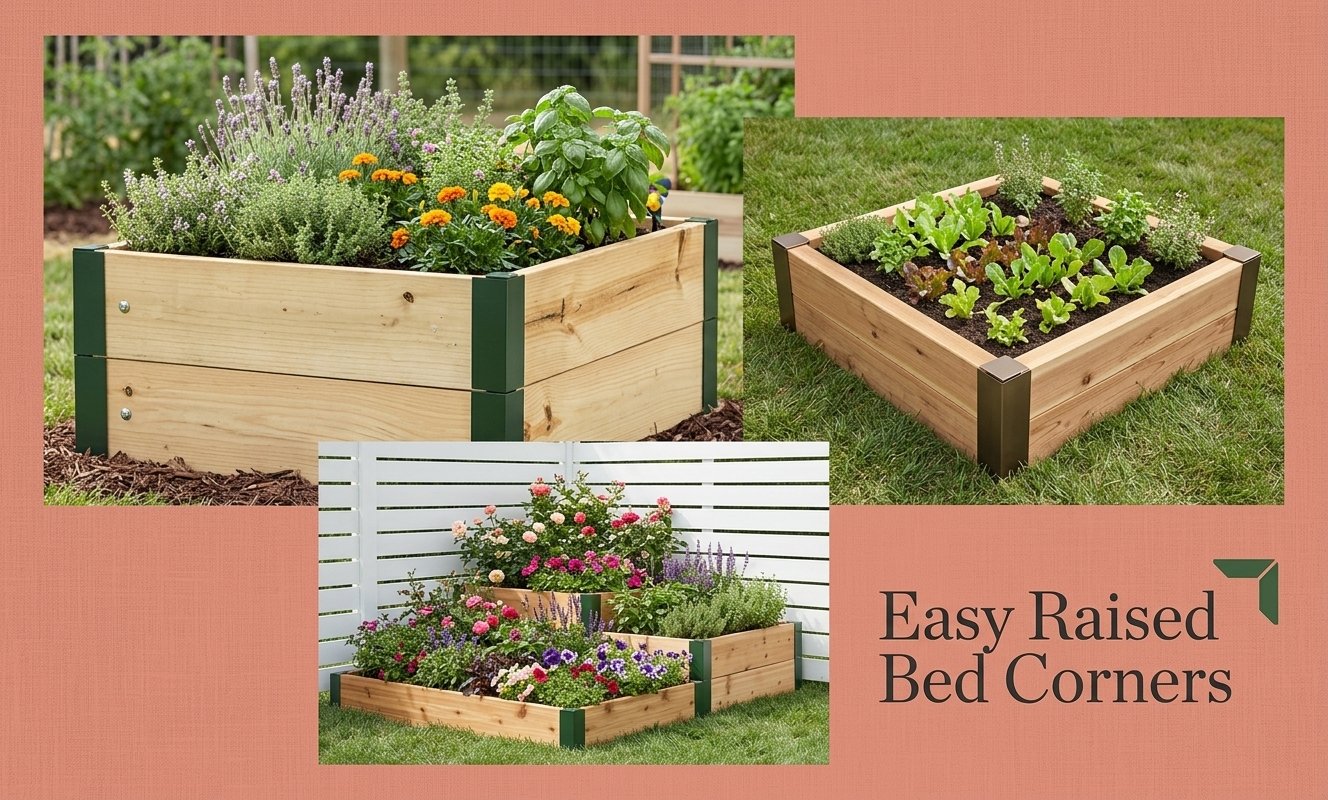
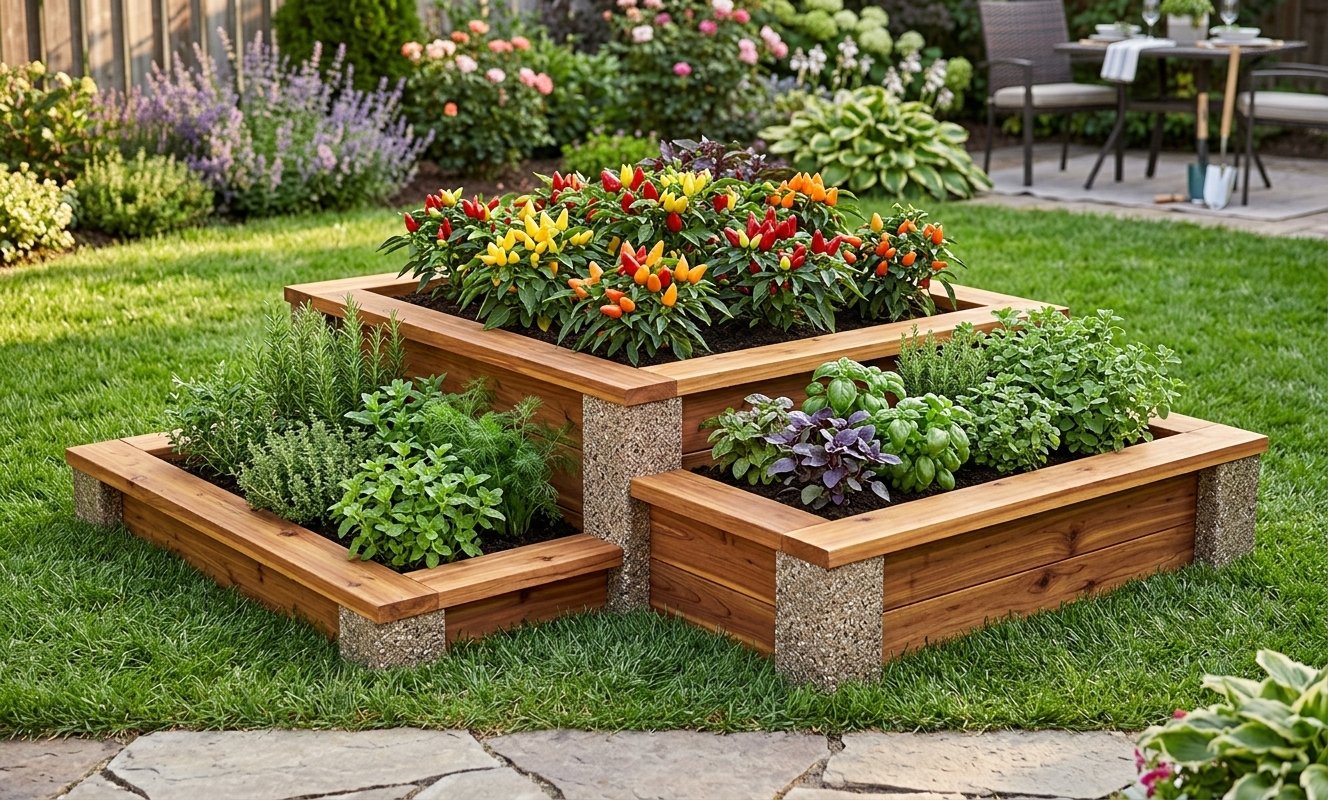
A tiered raised bed adds visual interest while creating multiple planting levels. Build progressively smaller sections so plants at different heights can receive adequate sunlight. Use the upper levels for herbs or smaller plants and lower sections for larger vegetables. Secure each tier carefully to create a stable structure. The result is an attractive garden feature that combines practical growing space with architectural appeal.
5. Make a Simple Corner Garden Bed
Unused backyard corners can become productive growing areas with a strategically designed raised bed. Create an L-shaped frame that fits neatly into the corner while leaving enough room for walking and maintenance. Use the longer sections for vegetables and smaller sections for herbs or flowers. Keep the center accessible from the open sides. This smart layout makes use of space that might otherwise remain empty.
6. Build a Rustic Cedar Raised Bed
Cedar can give a raised garden a naturally beautiful appearance while complementing outdoor surroundings. Choose appropriately sized boards and create a sturdy rectangular frame. The warm wood tones can blend beautifully with green foliage and colorful flowers. Add a layer of quality soil and compost before planting. A simple cedar design can provide a polished look without requiring complicated construction.
7. Create a Square-Foot Gardening Bed
Square-foot gardening can help beginners organize plants efficiently inside a raised bed. Divide the growing surface into a simple grid and assign each section to a particular crop. This makes planning and spacing easier while reducing wasted growing space. Use taller plants strategically so they do not shade smaller crops. The organized layout also makes it easier to monitor different plants throughout the growing season.
8. Use Reclaimed Wood for Character
Reclaimed wood can give a raised garden bed a distinctive rustic personality. Before using old boards, make sure they are suitable for garden use and free from harmful treatments or contaminants. Sand rough edges and assemble the pieces into a sturdy frame. The natural imperfections can add charm to a casual backyard garden. Pair the bed with gravel paths or native plants for a relaxed outdoor look.
9. Add a Raised Herb Garden
A dedicated herb bed can make fresh cooking ingredients easy to access. Choose a sunny location near the kitchen if possible and fill the bed with well-draining soil. Plant herbs according to their sunlight and watering preferences. Basil, thyme, parsley, rosemary, and chives can create a useful and attractive combination. Labeling each herb can also make the garden more beginner-friendly.
10. Build a Flower-Filled Raised Bed
Raised beds are not limited to vegetables and herbs. Fill one with colorful flowers to create an eye-catching landscape feature. Combine plants with different heights, textures, and blooming periods for visual variety. Choose flowers suited to your local growing conditions and available sunlight. A raised flower bed can add structure and seasonal color to an otherwise plain section of the yard.
11. Create a Small Patio Raised Bed
Even a patio can support a productive raised garden with the right compact design. Use a shallow, sturdy planter-style bed that fits comfortably within the available space. Choose vegetables and herbs that perform well in containers or raised planters. Make sure excess water can drain properly to protect plant roots and the patio surface. This is a practical option for beginners without a traditional backyard garden.
12. Design a Long Narrow Garden Bed
A long narrow raised bed works particularly well along fences, pathways, or house walls. Keep the width narrow enough that you can comfortably reach all plants without stepping inside. Use the length to grow multiple crops in organized sections. Taller plants can be positioned where they will not block sunlight from smaller varieties. This layout creates a productive planting strip while maintaining clear walking areas.
13. Try a Recycled Material Garden Bed
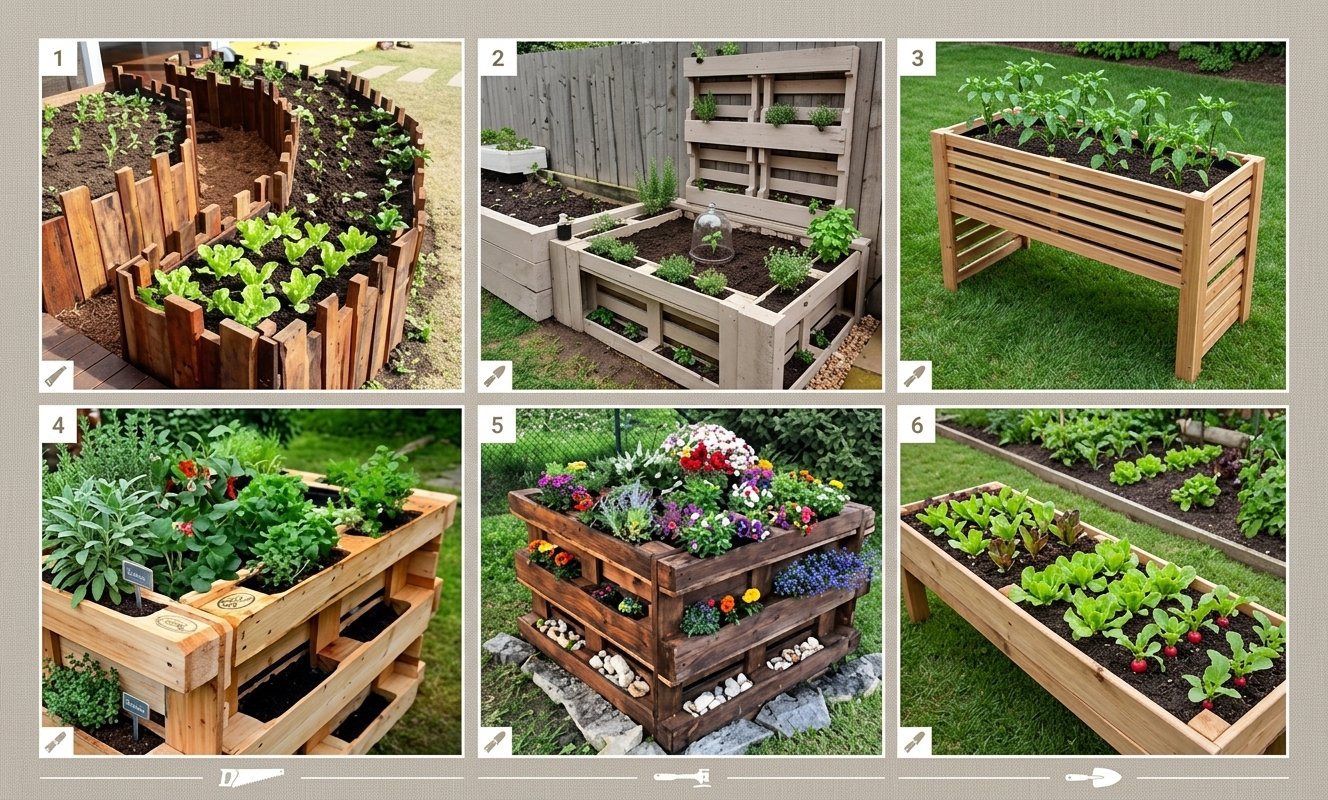
Some gardeners can repurpose suitable leftover materials into attractive raised beds. Bricks, stone, untreated timber, and other garden-safe materials can create sturdy borders. Select materials that are durable and appropriate for contact with growing soil. Arrange them carefully so the finished structure remains stable. Reusing materials can add personality while reducing unnecessary waste.
14. Build a Kid-Friendly Raised Garden
A raised garden can be a fun way to introduce children to growing plants. Choose a low bed with smooth, safe edges and an accessible layout. Let children help select easy-to-grow vegetables, flowers, or herbs. Use simple labels and dedicate small sections to different plants. A child-friendly garden can turn everyday planting and harvesting into an engaging outdoor activity.
15. Add a Trellis to Your Raised Bed
A trellis can expand the growing potential of a raised bed by allowing climbing plants to grow vertically. Install a sturdy support at one end or along the back edge of the bed. Cucumbers, peas, beans, and certain flowering vines can benefit from vertical support. Keep the trellis positioned so it does not unnecessarily shade shorter plants. This combination provides additional growing space while adding height and visual structure.
16. Create a Wildlife-Friendly Garden Bed
A raised bed can also support a garden designed to attract beneficial wildlife. Plant flowers and herbs that provide nectar and habitat for pollinators. Avoid overcrowding the bed and choose plant combinations suited to your climate. Add shallow water sources or nearby natural features if appropriate. A thoughtfully planned wildlife-friendly bed can make your garden more lively while supporting local biodiversity.
17. Build a Modern Minimalist Garden Bed
For a contemporary backyard, choose clean lines and a simple geometric shape. Use smooth, garden-safe materials and keep the planting palette intentionally limited. Neutral structural materials can allow green foliage to become the main visual feature. Arrange multiple beds with consistent spacing for a cohesive appearance. This minimalist approach creates a polished garden without complicated decorative elements.
18. Make a Multi-Bed Vegetable Garden
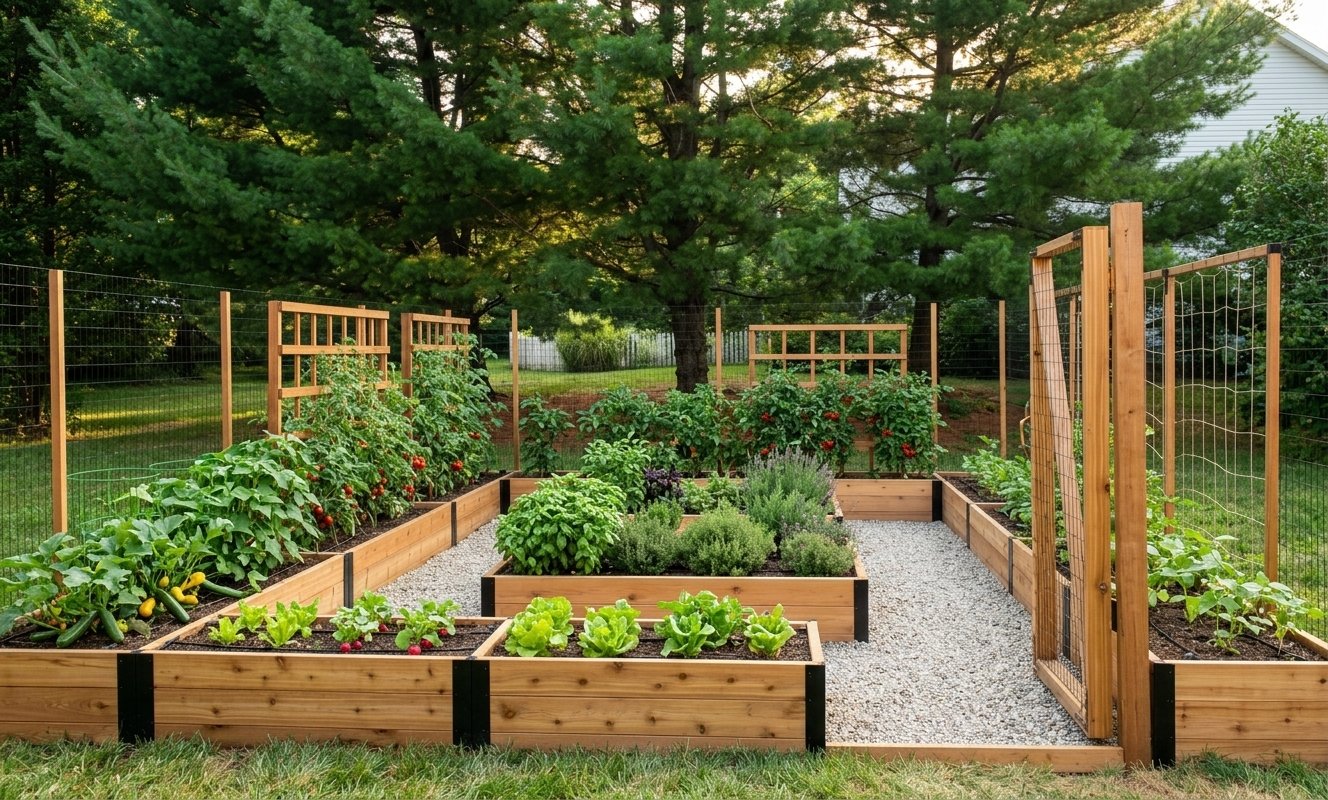
Instead of creating one large bed, consider several smaller raised beds arranged in a practical grid. Separate beds can be dedicated to different vegetables, herbs, or planting schedules. Leave comfortable paths between them for watering, harvesting, and maintenance. Consistent dimensions can make the entire garden easier to plan. This layout also allows beginners to experiment with different crops without committing the whole garden to one planting style.
19. Add a Protective Garden Cover
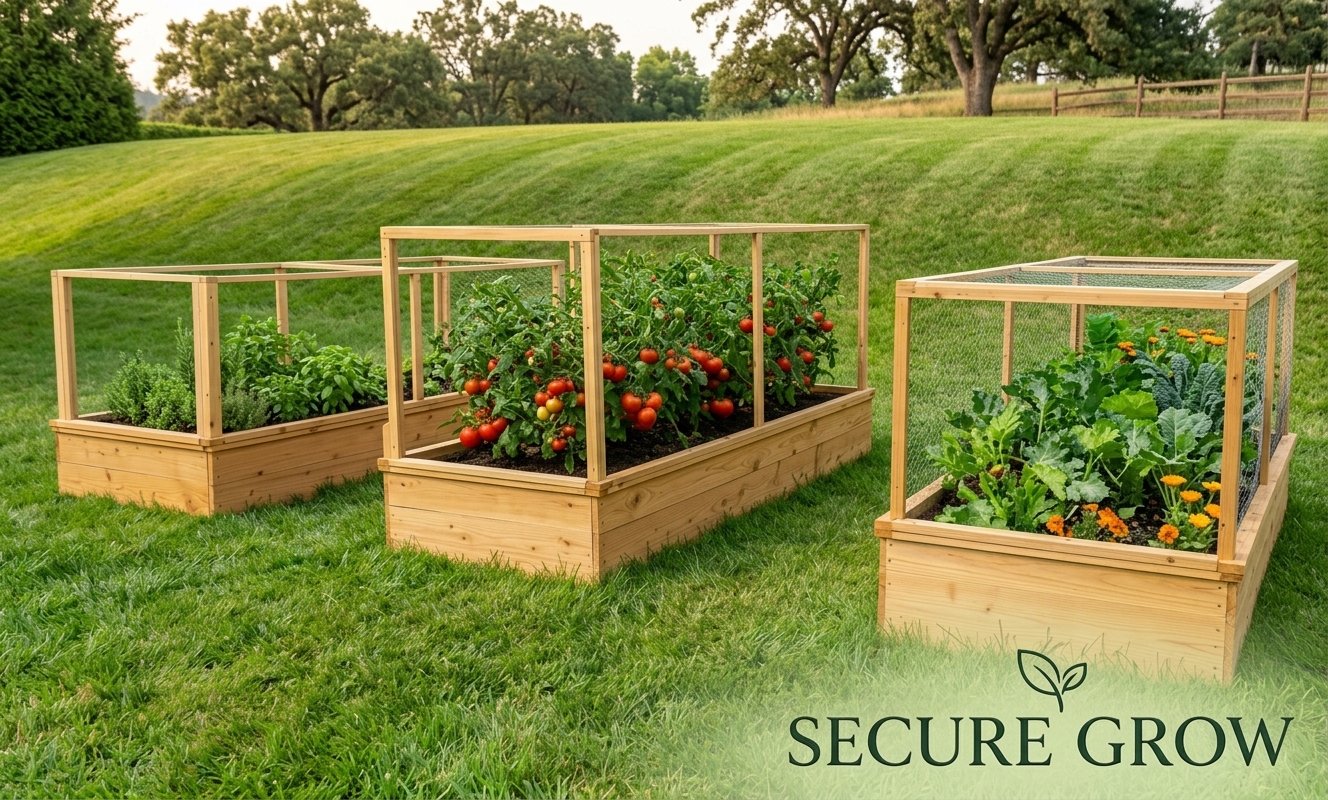
A removable cover can help protect delicate plants from certain weather conditions and garden pests. Build a simple frame above the raised bed and use an appropriate garden fabric or protective material. Make sure the cover allows sufficient airflow and sunlight for healthy plant growth. Design it so you can easily remove or lift it when tending the garden. This practical addition can make raised-bed gardening easier to manage.
20. Create a Wheelchair-Friendly Raised Bed
Accessibility can be incorporated into raised garden design from the beginning. Choose a comfortable height and provide enough clearance around the bed for easy movement. Keep pathways stable, wide, and free from unnecessary obstacles. Select plants that can be reached without excessive bending or stretching. An accessible raised garden can make growing plants more comfortable and enjoyable for more gardeners.
21. Design a Rustic Stone Raised Bed
Stone can create a durable and natural-looking raised garden border. Arrange appropriately sized stones carefully to form a stable planting area. Combine the stone with flowers, herbs, or vegetables that complement the surrounding landscape. Natural textures can work especially well with gravel paths and native plants. The finished bed can feel like an established part of the garden rather than a newly added structure.
22. Build a Portable Raised Garden
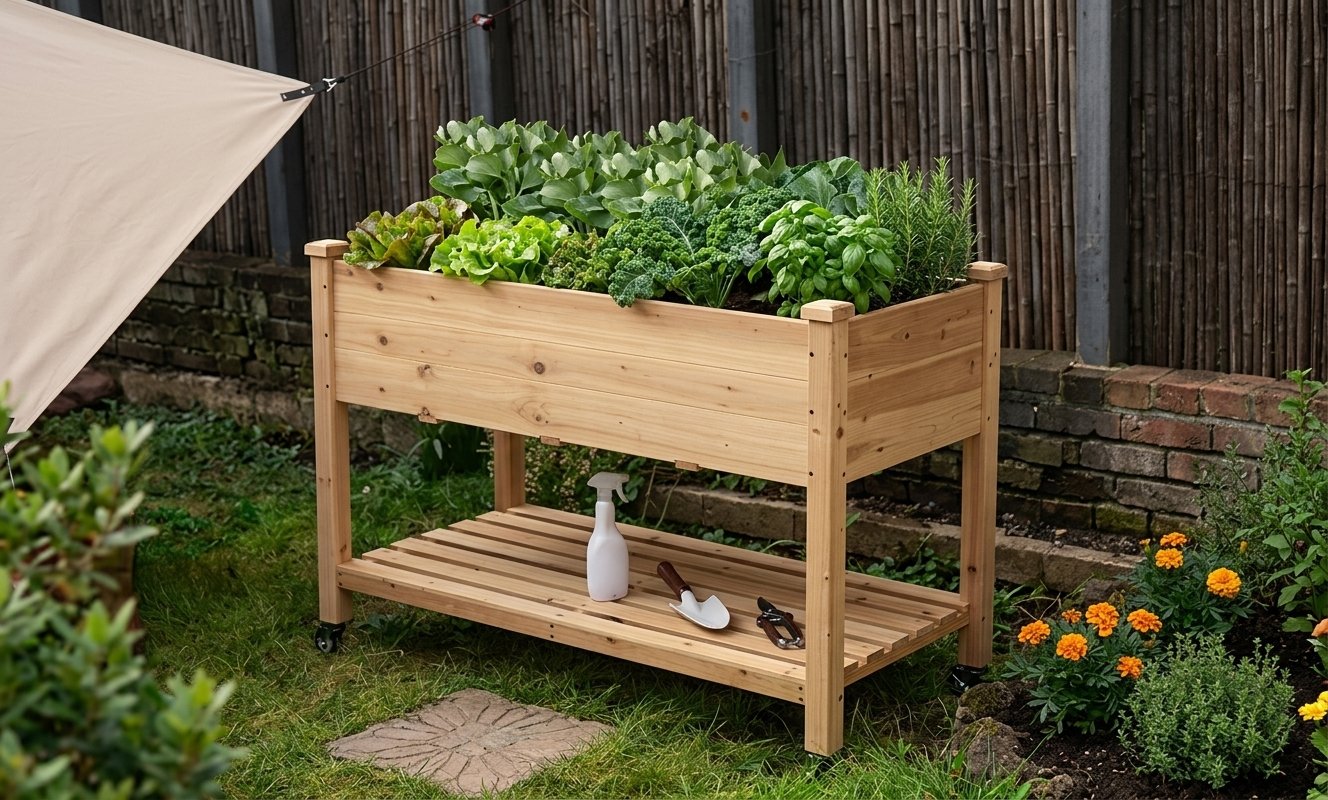
A portable raised bed can provide flexibility when your outdoor layout changes. Use a lightweight but sturdy construction and install it where adequate sunlight is available. Smaller beds can sometimes be moved seasonally or repositioned when necessary. Choose plants that match the bed’s size and growing conditions. This option works particularly well for renters, small yards, balconies, and flexible gardening spaces.
23. Create a Salad Garden Bed
A dedicated salad garden can provide a convenient supply of fresh ingredients throughout the growing season. Plant leafy greens, radishes, herbs, and other compact crops in clearly organized sections. Use succession planting to maintain a steady supply as earlier crops are harvested. Keep the bed close to an easy-to-access area for frequent picking. This simple design can make everyday gardening both useful and rewarding.
24. Add Decorative Garden Borders
Decorative borders can give a basic raised bed a more finished appearance. Consider adding gravel, stepping stones, brick edging, or attractive pathways around the growing area. Keep decorative materials separate from the planting soil and choose options that complement the garden’s style. A neat border can visually define each bed while improving access for maintenance. Even a simple finishing touch can make a beginner garden look thoughtfully designed.
25. Create a Beautiful Beginner Garden Layout
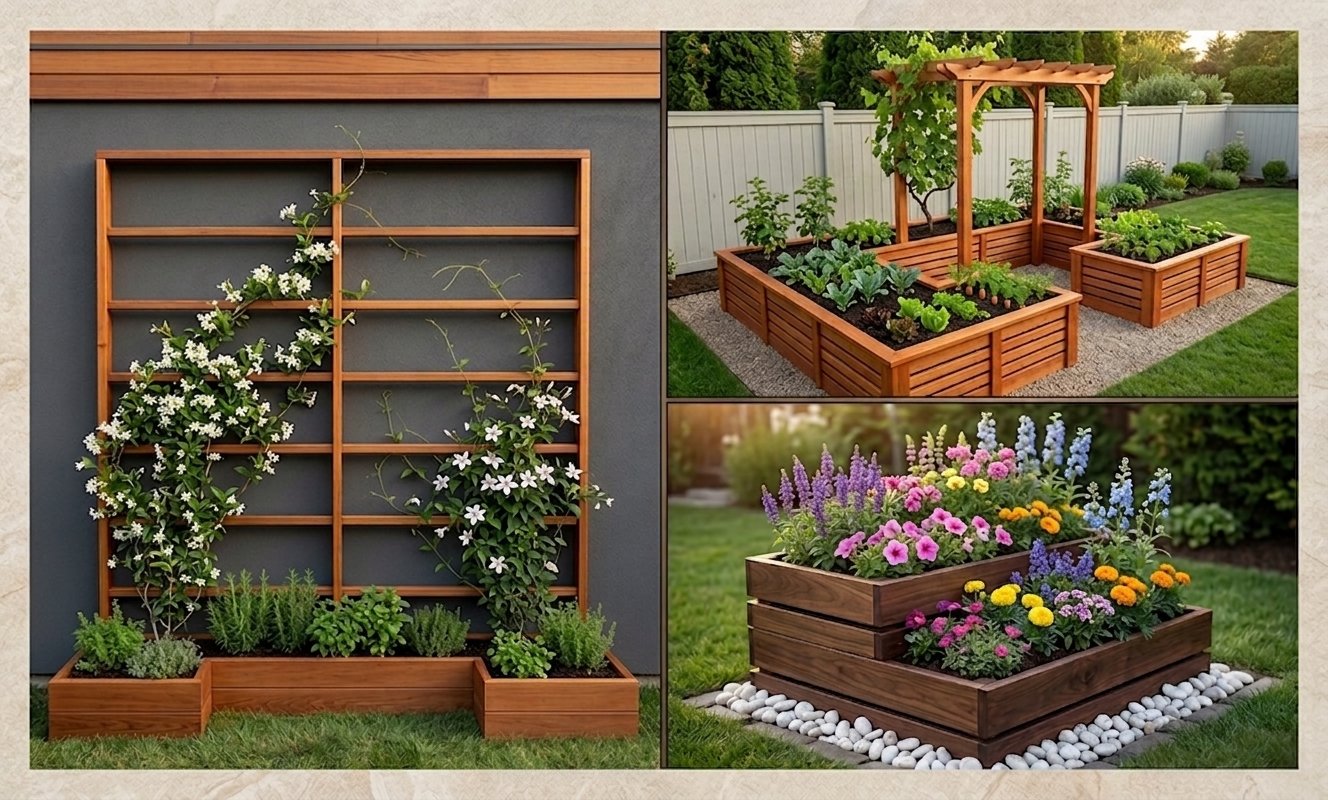
A successful raised garden does not have to be complicated to look impressive. Combine a few practical beds with clear pathways, attractive planting combinations, and organized spacing. Position taller plants thoughtfully and keep frequently harvested crops easy to reach. Use consistent materials across the garden for a cohesive appearance. With a simple plan and beginner-friendly plants, you can create a productive outdoor space that looks beautiful throughout the growing season.
Final Thoughts: Grow More With Smart Raised Beds
DIY raised garden beds offer beginners a practical way to organize plants, improve growing space, and create a more attractive backyard. From simple wooden frames to tiered designs, compact herb gardens, and modern layouts, there is an option for almost every outdoor space. Start with a manageable project, choose garden-safe materials, and plan your planting area before building. With thoughtful design and regular care, even a first-time gardener can create a productive and beautiful raised-bed garden.